Microneedling: one to two days of redness like mild sunburn. A medium peel: three to five days of flaking. Fractional CO2: five to seven days, and that one is described honestly on its own page, including photographs of days one to five.
Overview
Texture is structural, not superficial
Rough, dull or uneven skin is rarely a surface problem. It is usually a dermis that has thinned, and a surface that is no longer being rebuilt underneath at the rate it is being worn away.
Patients describe it the same way: makeup sits differently, light catches the cheek in a way it did not, pores look larger in some lights than others. None of that is dirt or dead skin, and none of it responds for long to something bought over a counter.
What produces it is measurable — reduced collagen density, disorganised elastin, a slower turnover of the epidermis, and in many cases a low-grade sun damage that has accumulated quietly for twenty years. The treatments that work are the ones that reach the layer where that damage sits.
There are three ways to get there: mechanically, thermally, and chemically. They are not interchangeable, and the choice between them is mostly a choice about how much recovery you are willing to take.
At a glance
- Treatment time30–90 minutes depending on method
- AnaestheticTopical for most; local where needed
- DowntimeNone to five days, chosen by you
- SessionsThree to six, spaced four to eight weeks
- ResultsFrom six weeks, building for six months
- Combines withBiostimulation, pigment and vascular work
How it works
Three routes to the same layer
Mechanical. Medical microneedling makes thousands of controlled channels into the dermis. The injury is small, the healing response is real, and the recovery is a day or two of redness. It is the gentlest of the three and the one that needs repeating most.
Thermal. Fractional resurfacing and radiofrequency deliver heat to a set depth, leaving untreated skin between the columns so healing runs sideways from intact tissue. Stronger stimulus, more downtime, fewer sessions.
Chemical. A prescribed peel removes a measured depth of epidermis and provokes the layer beneath it. Useful on its own for surface dullness, and useful as preparation before the other two.
Most plans use two of the three, sequenced so the skin is never being asked to heal from both at once.
Indications
What this treats
- Rough or grainy texture across the cheeks and forehead
- Dullness that does not respond to skincare
- Enlarged-looking pores, particularly across the nose and mid cheek
- Fine lines from dermal thinning rather than from expression
- Sun-damaged skin with an uneven, leathery surface
- Skin being prepared for scar revision, where texture must be even first
In the clinic
Step by step
Assessment
Texture is judged under oblique light, which is the only way to see it honestly. Photographs are taken in a fixed setup.
Preparation
Usually four weeks of a prescribed topical and daily SPF before the first session. This is not optional; it is what keeps the result even.
Sessions
Three to six treatments, four to eight weeks apart, alternating methods where the skin benefits from it.
Maintenance
One or two sessions a year afterwards, and the topical continues. Texture is the result that regresses fastest if it is abandoned.
Documented results
Before & after
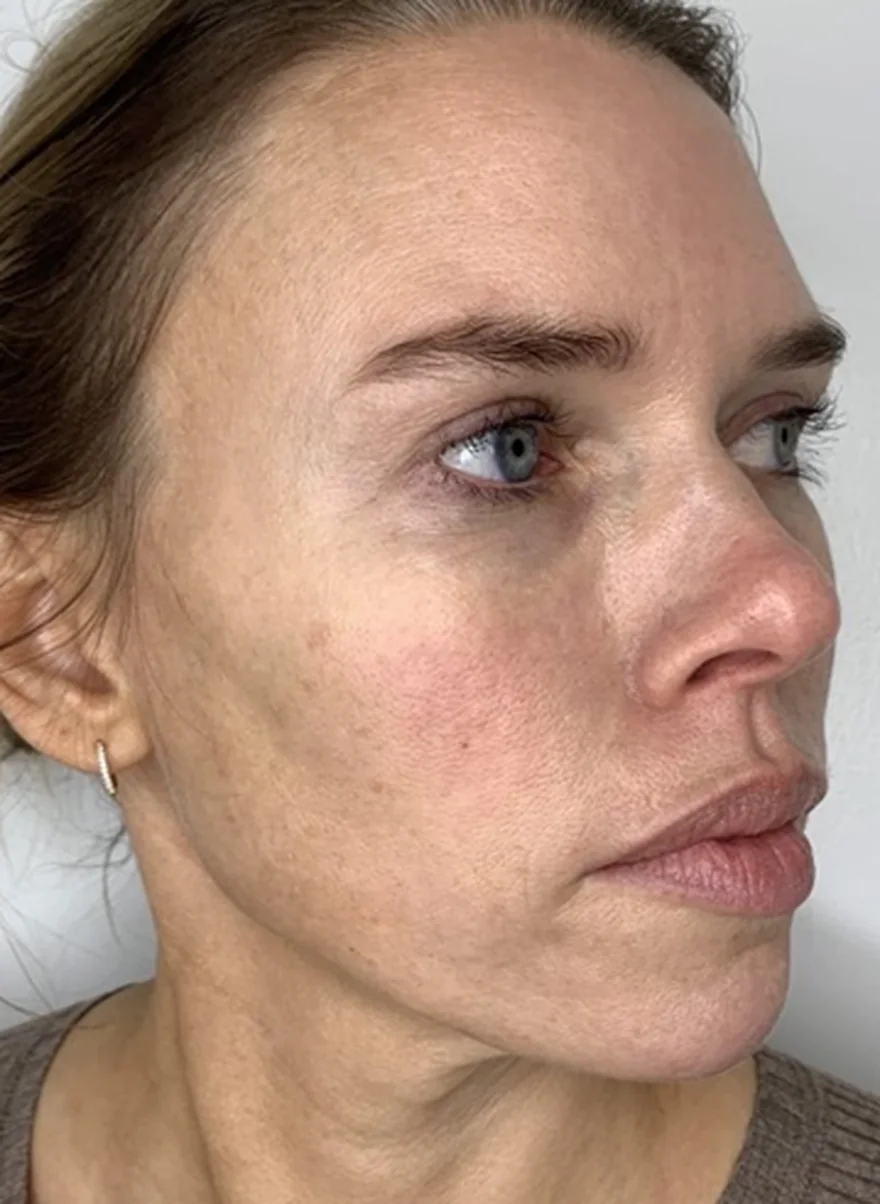
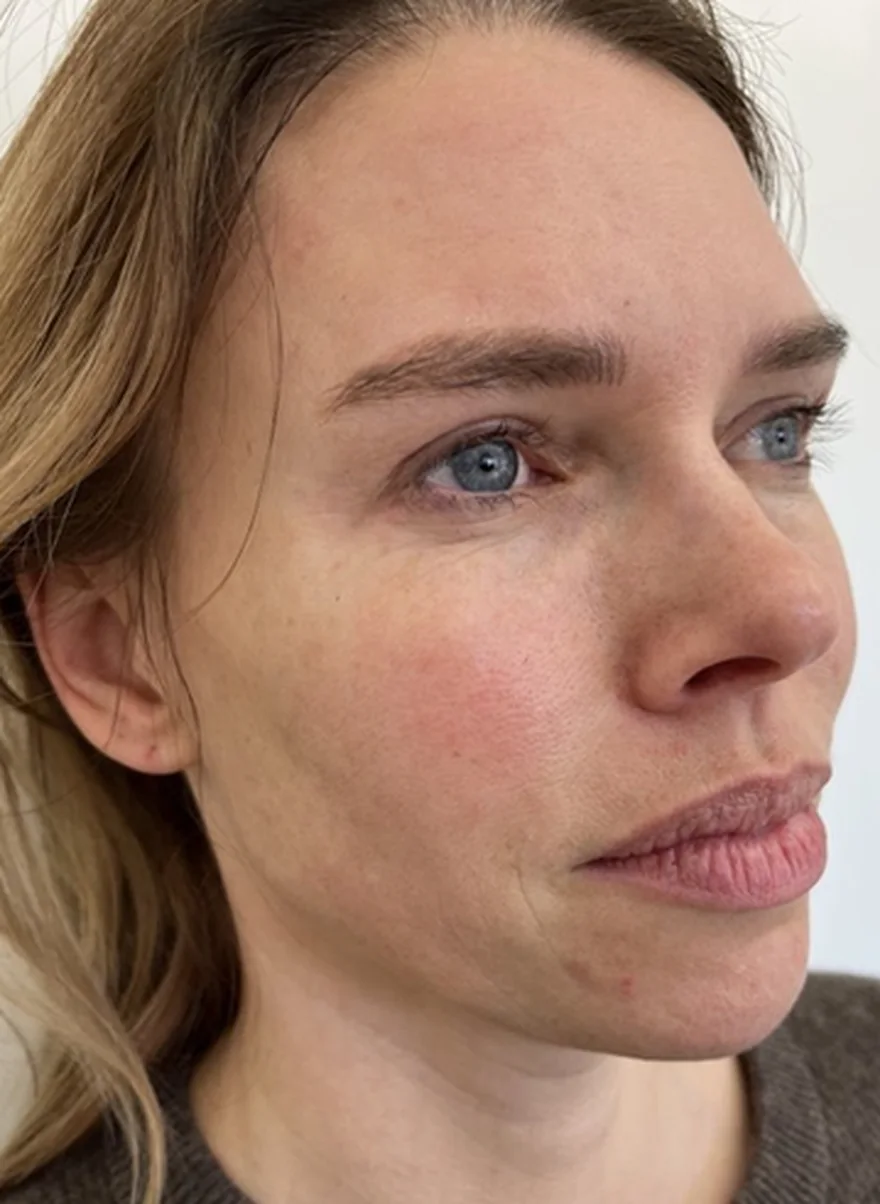
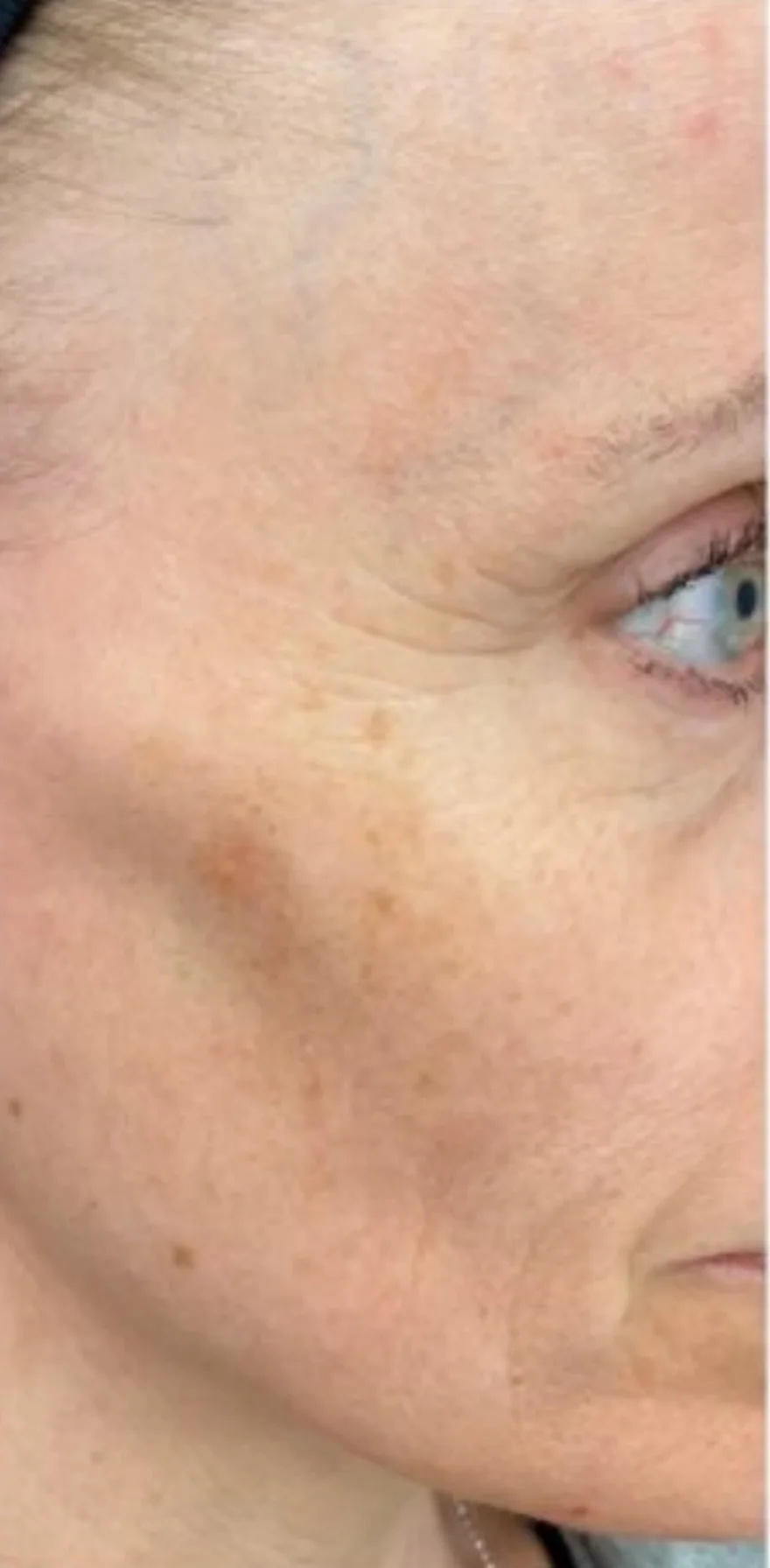
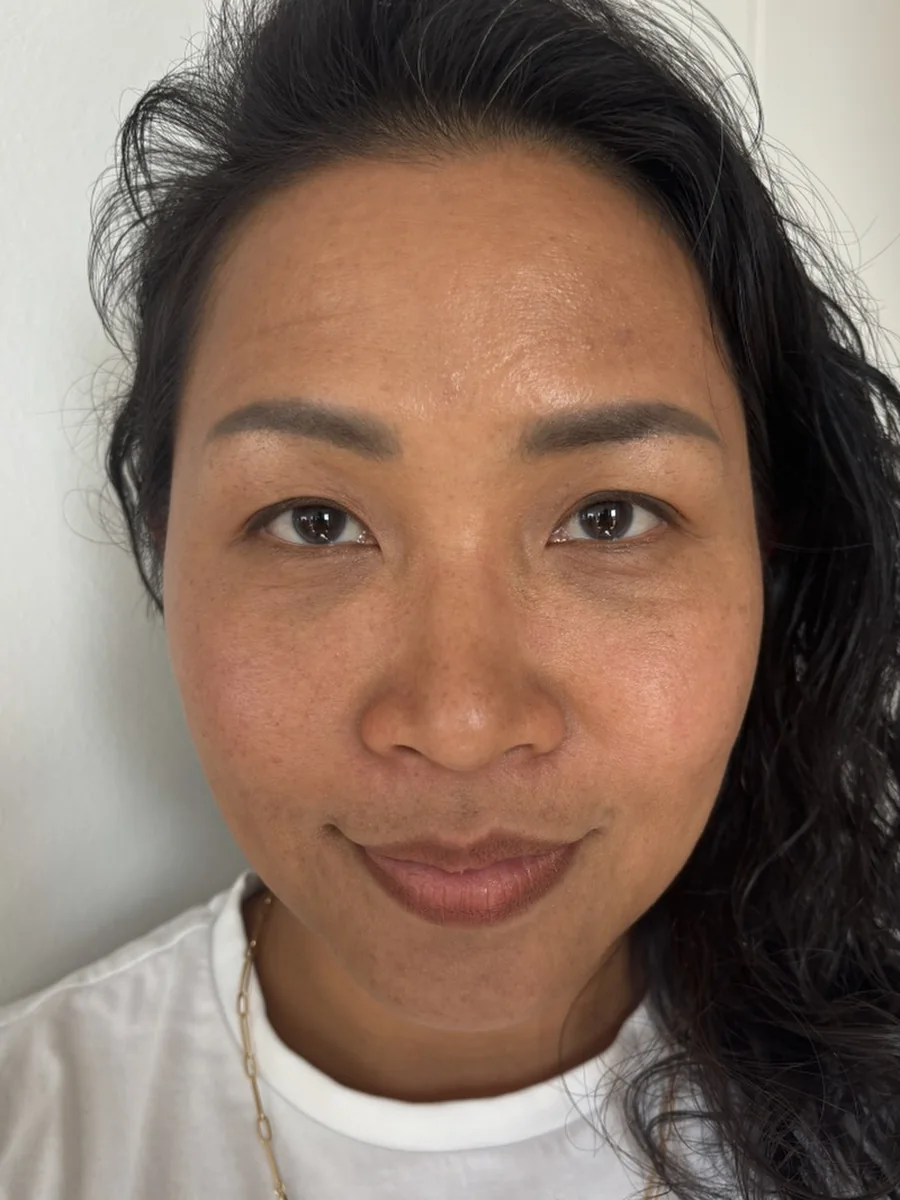
Drag the handle across each photograph to reveal the result. All images are unretouched and published with written patient consent.
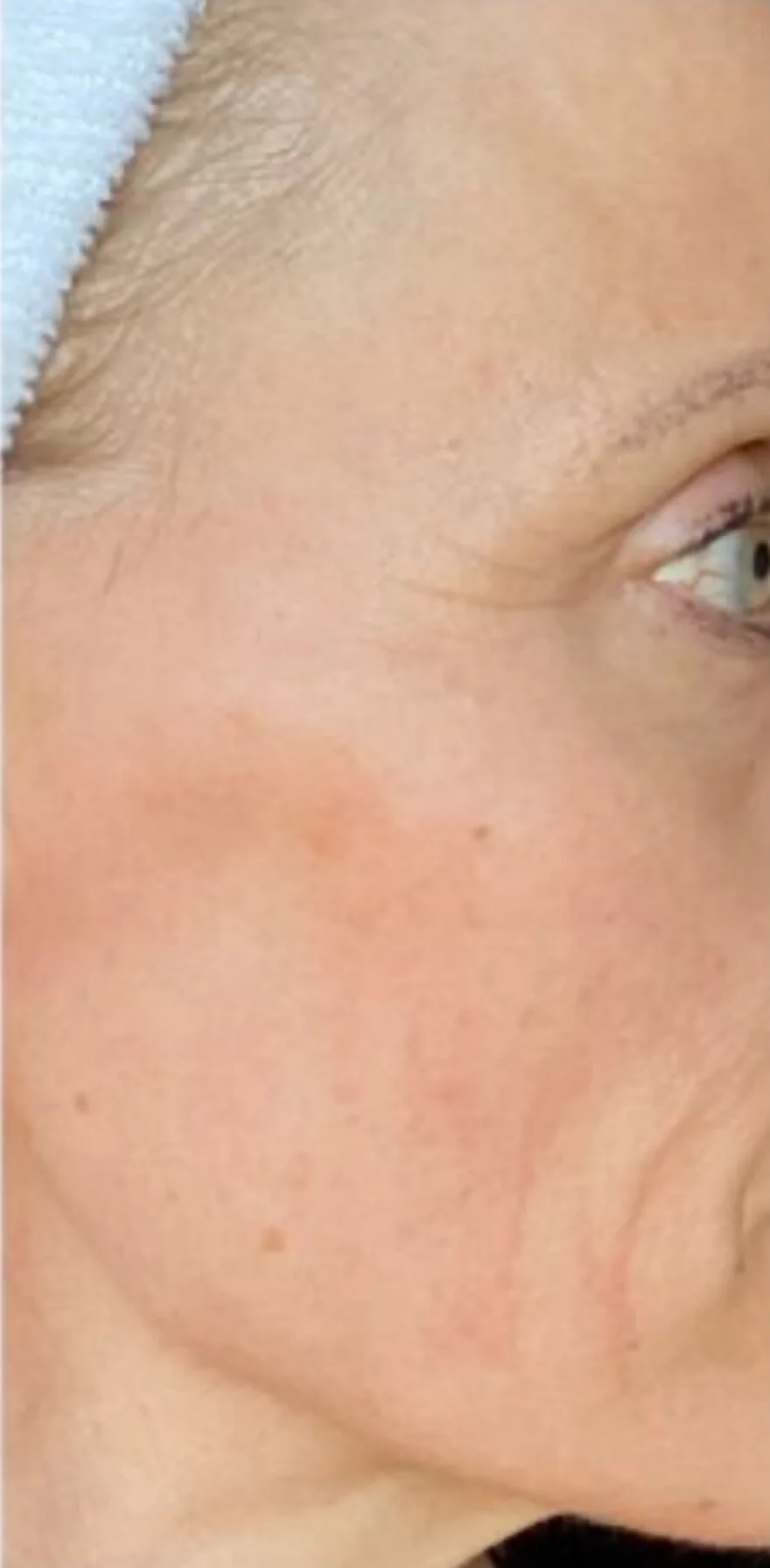
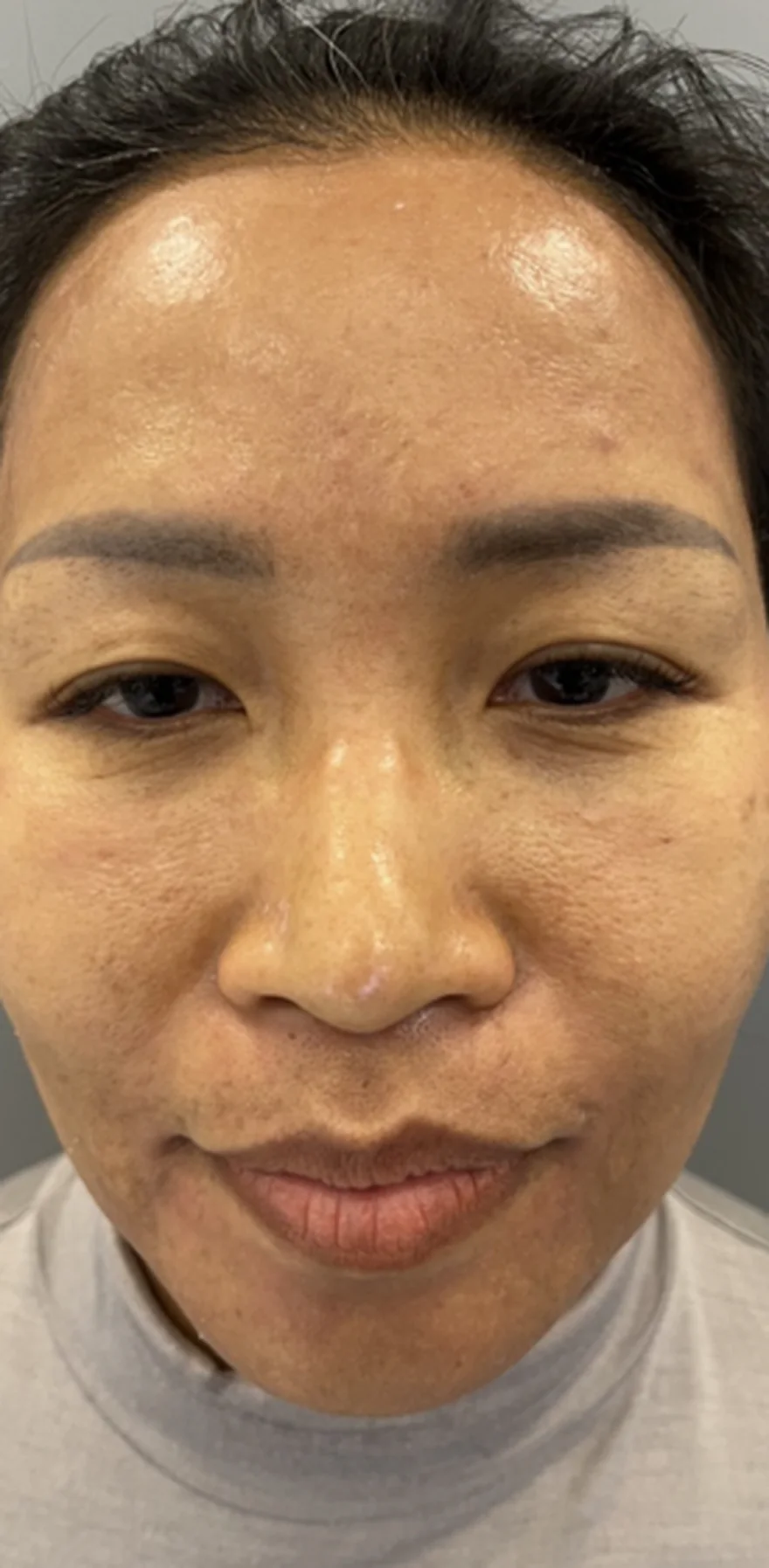
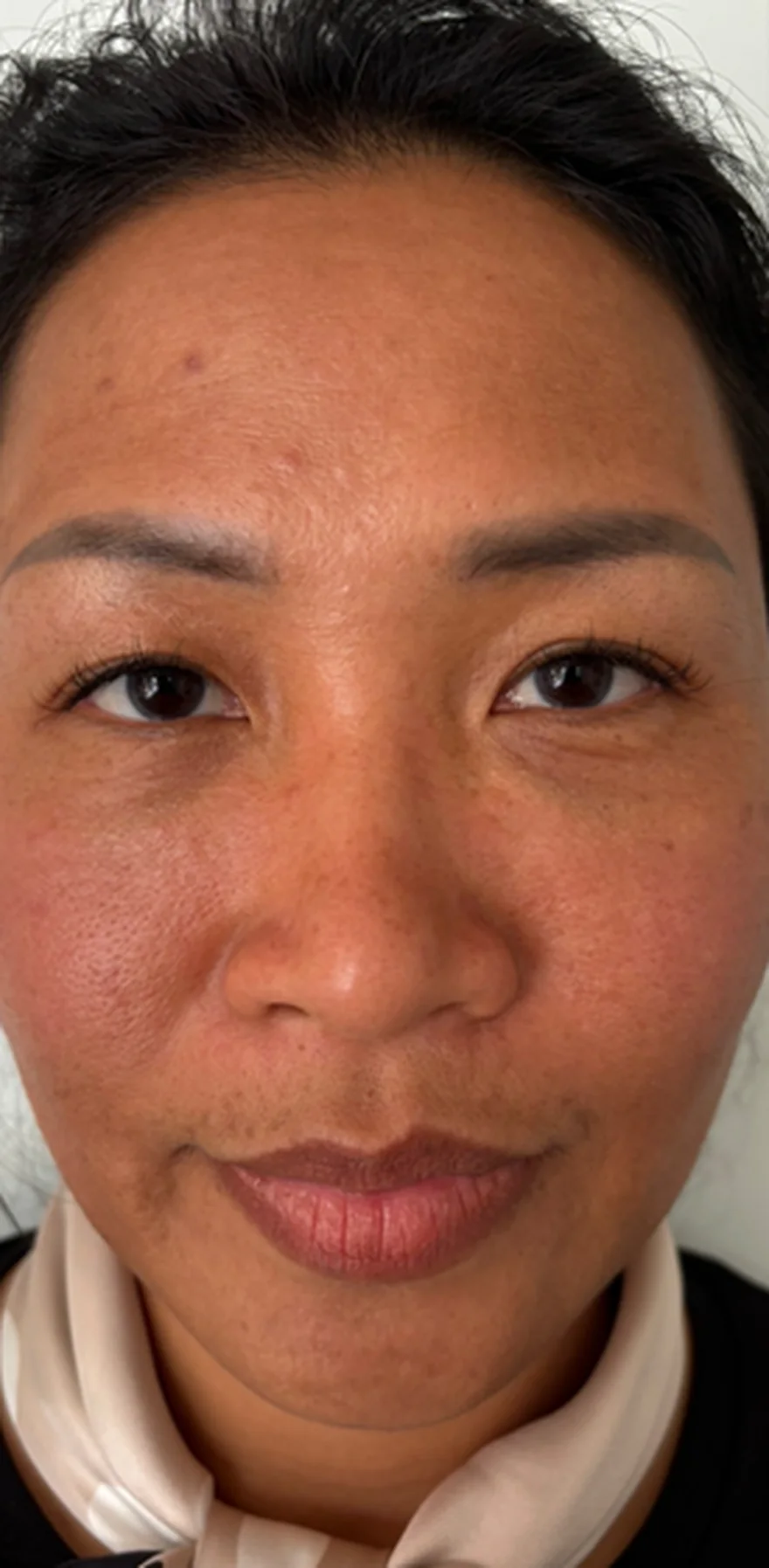
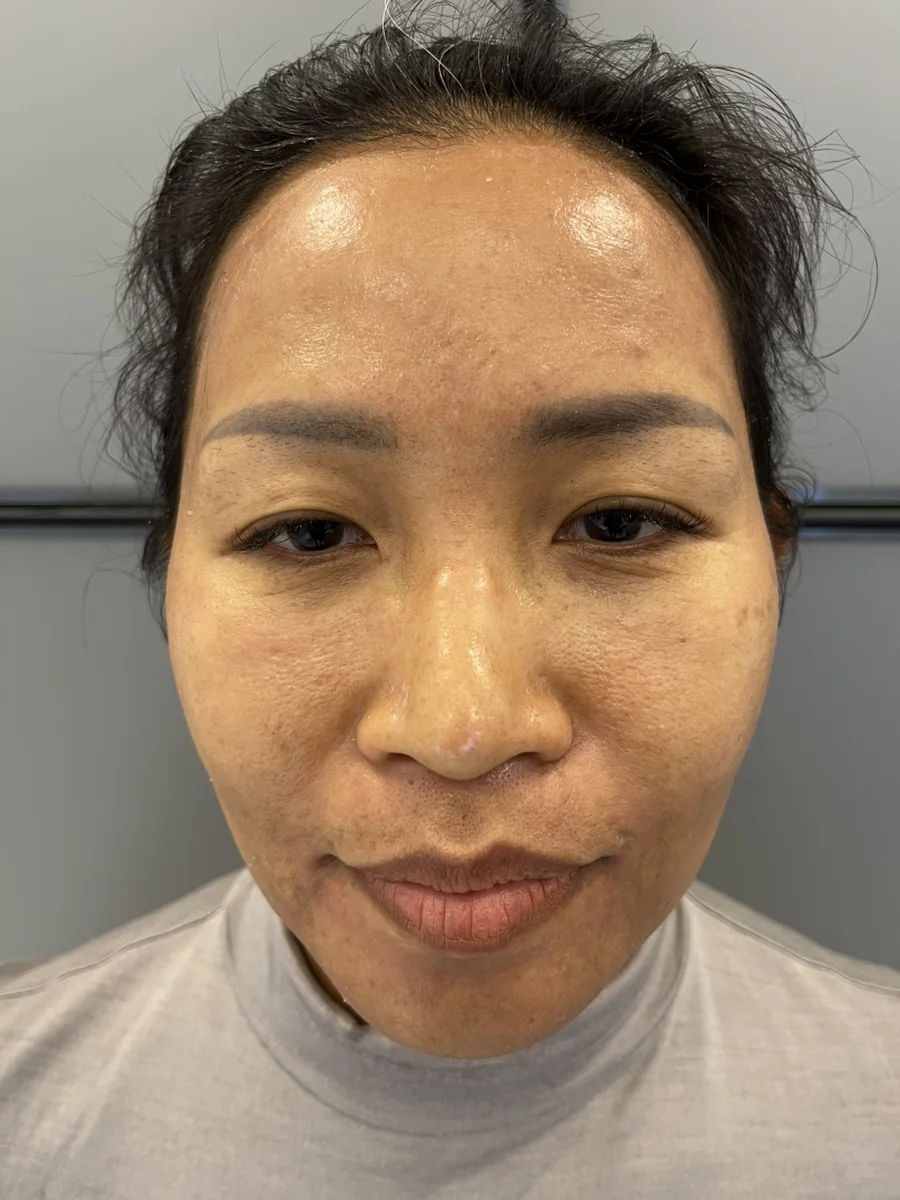
Questions
Good to know
If your question is not here, ask it in the enquiry form — Dr. Henningsen answers these personally.
Ask a question- How much downtime is there really?
- Will this help enlarged pores?
It will make them look smaller, which is not the same as making them smaller. Pore size is largely fixed; what changes is the collagen around the opening, which stops it from shadowing.
- Is one strong treatment better than several mild ones?
For texture, usually not. The dermis responds better to a repeated stimulus than a single large one, and the recovery is easier to fit into a life. For deep scarring the answer flips.
- Can this be done on darker skin?
Yes, with different settings and different preparation. Energy-based treatment on darker skin carries a real risk of post-inflammatory pigmentation, which is managed by priming the skin first and by choosing depth over heat. It is a reason to be treated by a dermatologist rather than a device.
Consultation
Ready to talk about your skin?
Consultations with Dr. Henningsen are arranged individually. Tell us what you would like to change and we will come back to you with the options, the honest downtime and the realistic result.