Most anti-ageing treatment targets what you can see — a line, a shadow, a hollow. Skin longevity targets what produces it: collagen density, hydration, vascular integrity and pigment control. The result is less dramatic in a photograph taken next week and more durable in one taken in three years.
Overview
Maintain the organ, not the surface
Skin longevity is the part of this practice that is not about repairing damage, but about keeping the structure that is already there for as long as possible.
The distinction matters clinically. A scar is a defect with edges; you can map it, choose an instrument and revise it. Ageing skin has no edges. What changes is the whole dermis at once — less collagen, less bound water, a vascular bed that leaks where it used to hold, pigment that settles unevenly. Treating that like a defect is how people end up looking treated rather than well.
So the work is structural. We are trying to persuade fibroblasts to behave the way they behaved ten years ago, and then to keep them doing it. That takes a stimulus strong enough to register and mild enough to repeat, given on a schedule rather than in a burst.
Everything in this section serves one of four levers — collagen, hydration, vasculature, pigment. Most patients need two of them. Almost nobody needs all four at once, and a plan that proposes all four in the first session is selling, not treating.
The four levers
- CollagenBuilt by stimulating the cells that make it, rather than by replacing lost volume
- HydrationBound water in the dermis, which is what makes skin reflect light evenly
- VasculatureRedness and broken vessels treated as a vascular problem, not a cosmetic one
- PigmentDiagnosed before it is treated, because melasma and sun damage behave differently

How it works
Tissue quality before volume
A longevity plan prioritises tissue quality and biological remodelling over volume replacement. That is a statement about sequence, not a verdict on fillers — we use them, on this site and in this clinic, and where volume has genuinely been lost nothing else does the job. But volume is the last question here rather than the first, because a face whose skin is thin, lax and poorly vascularised does not need more of something; it needs the tissue itself to work better.
It is worth being accurate about what the alternative actually does. A crosslinked filler is not inert: human biopsy studies show it physically stretches the collagen-producing cells of the dermis, which switches them back into an active state, and new collagen appears around the gel from about four weeks onwards. Nobody has studied what skin looks like once a filler has completely degraded, so we are careful in both directions — it is not true that nothing is left behind, and it is not true that the face is permanently altered.
What a stimulus adds is a change in the tissue itself, and there are two quite different ways of producing one. Some stimuli work by controlled physical injury — a fractional laser column, radiofrequency delivered into the dermis, a medium-depth peel — where a healing response is deliberately provoked in a pattern orderly enough to remodel rather than scar. Others work by biological signalling, where nothing is injured at all: polynucleotides act on a cell-surface receptor and as a scaffold, and poly-L-lactic acid provokes a low-grade encapsulation response in which your own fibroblasts build a collagen capsule around the particles. Collapsing those two into one phrase is tidy and wrong, and it matters, because they suit different skin and carry different risks.
Which stimulus we choose depends on what the skin is short of, how much recovery you can take, and how much time there is before it matters. Those three questions are most of the consultation.
Indications
What skin longevity addresses
- Loss of firmness and early laxity along the jawline and neck
- Dull, rough or uneven texture that no longer improves with skincare
- Fine lines from dermal thinning rather than from movement
- Diffuse redness, flushing and visible vessels
- Uneven pigmentation, sun damage and melasma
- Skin that has stopped recovering the way it used to after sun, travel or illness
In the clinic
Step by step
Assessment
Your skin is examined under several lighting conditions, and photographed in a fixed setup so the next review has something to compare against.
Sequence
We decide which of the four levers matter for you, in what order, and how far apart. Usually two of them, rarely more.
Treatment
Sessions are spaced weeks to months apart. Most have little or no visible downtime; the ones that do are scheduled around your life, not the other way round.
Review
Photographed again in the same light at three to six months. The plan is adjusted on what actually changed, not on what was supposed to.
Documented results
Before & after
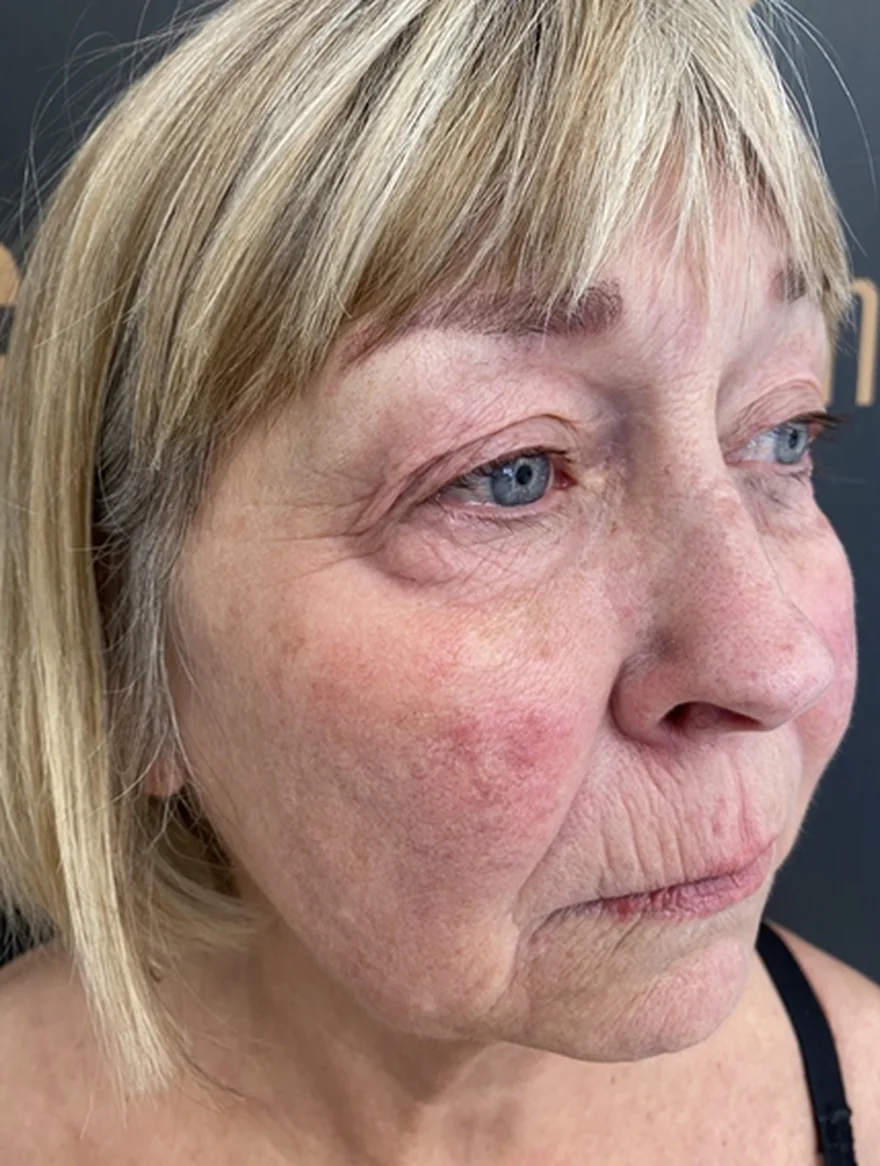
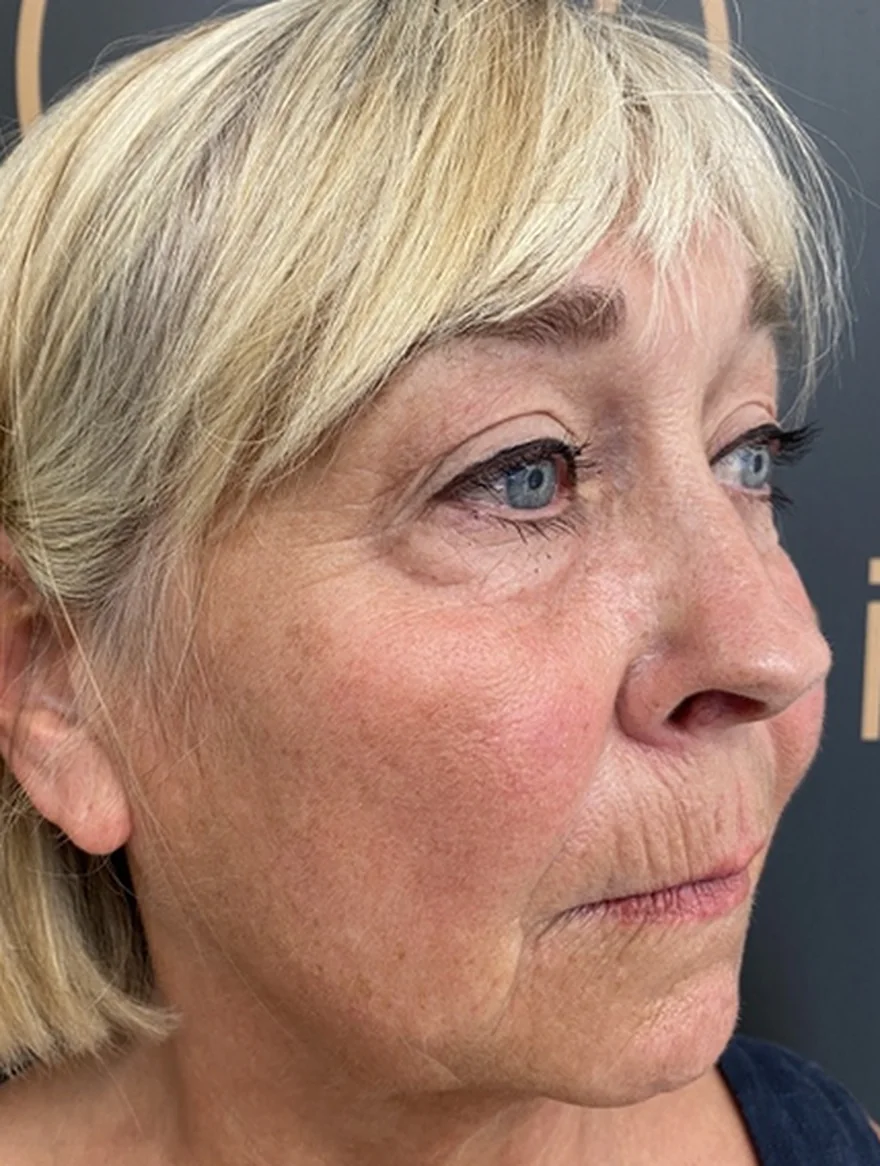
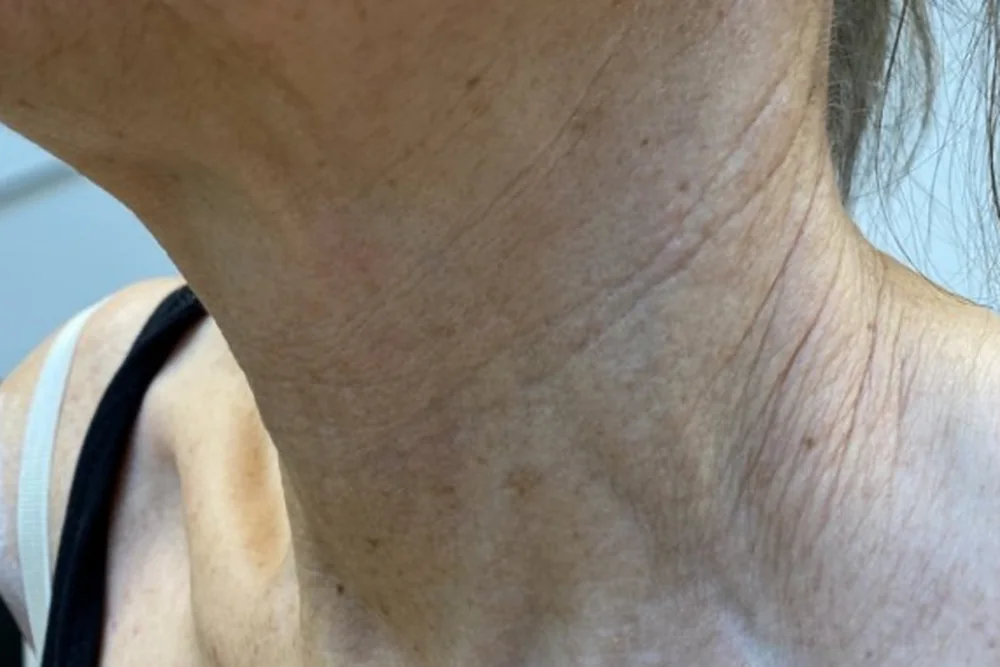
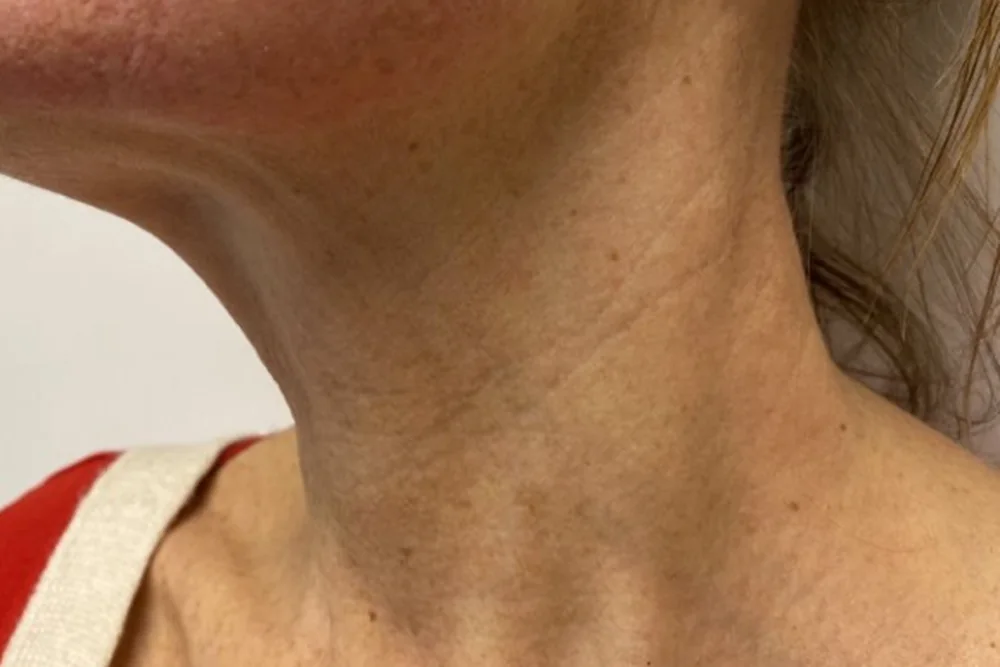
Drag the handle across each photograph to reveal the result. All images are unretouched and published with written patient consent.
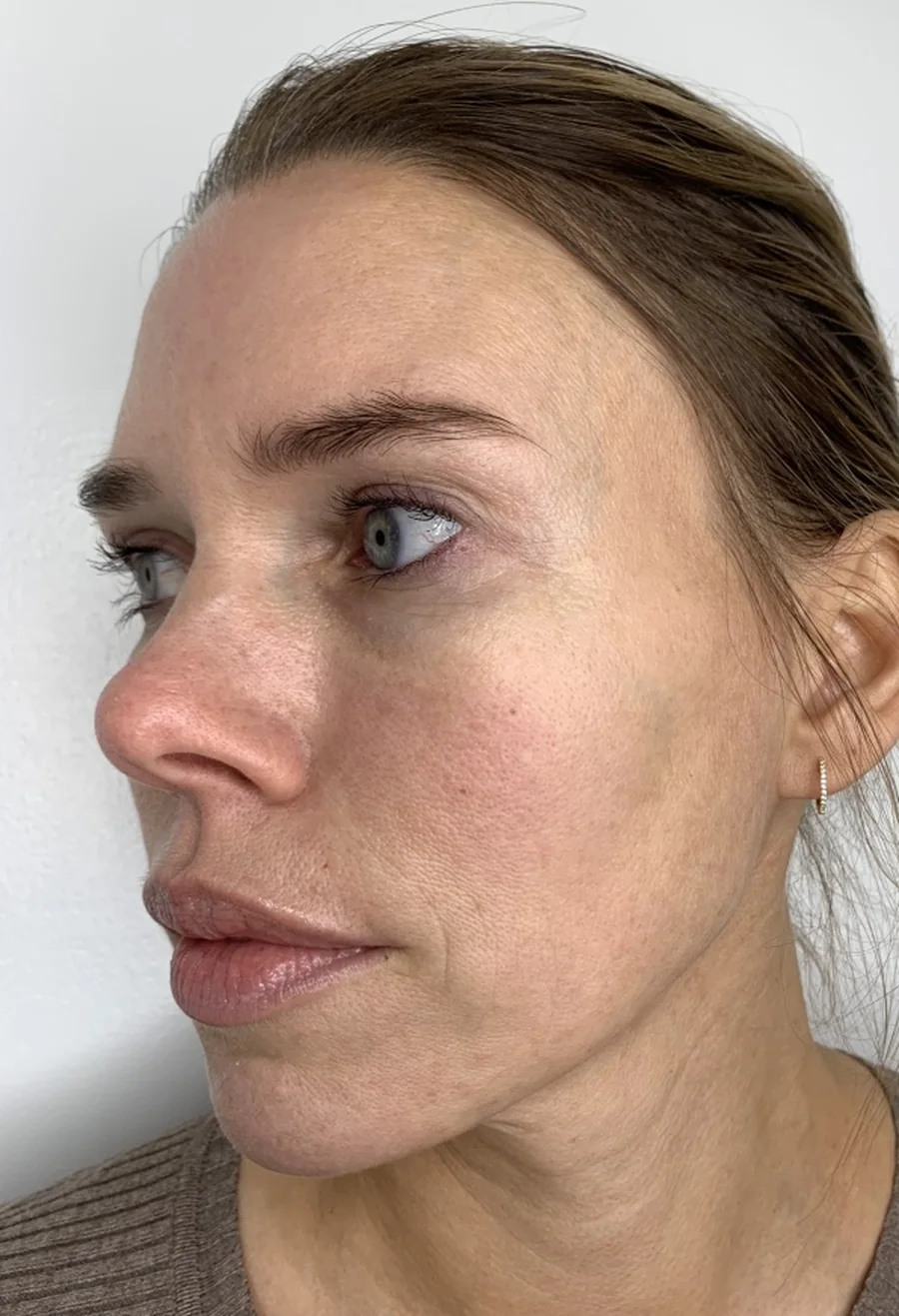
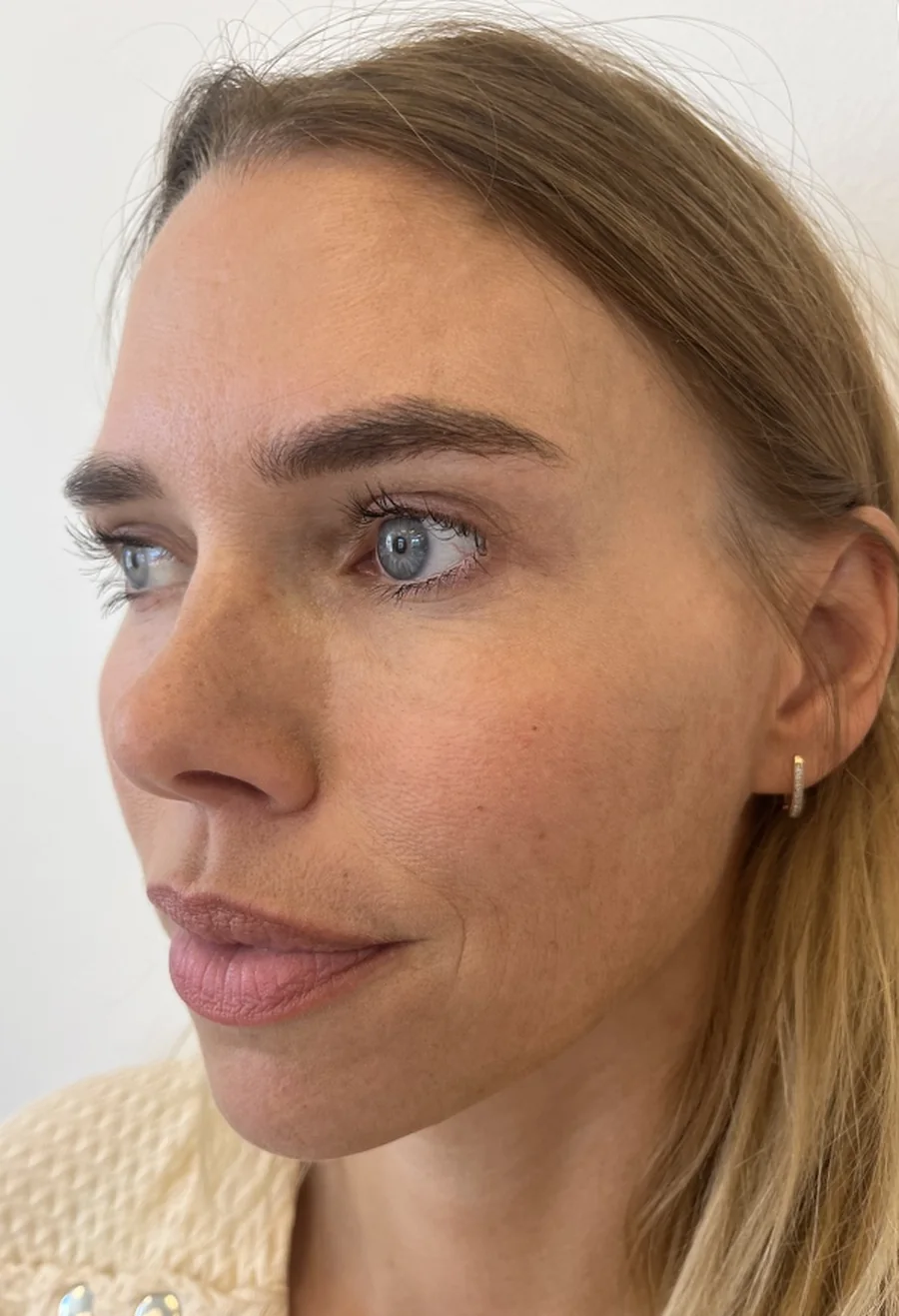
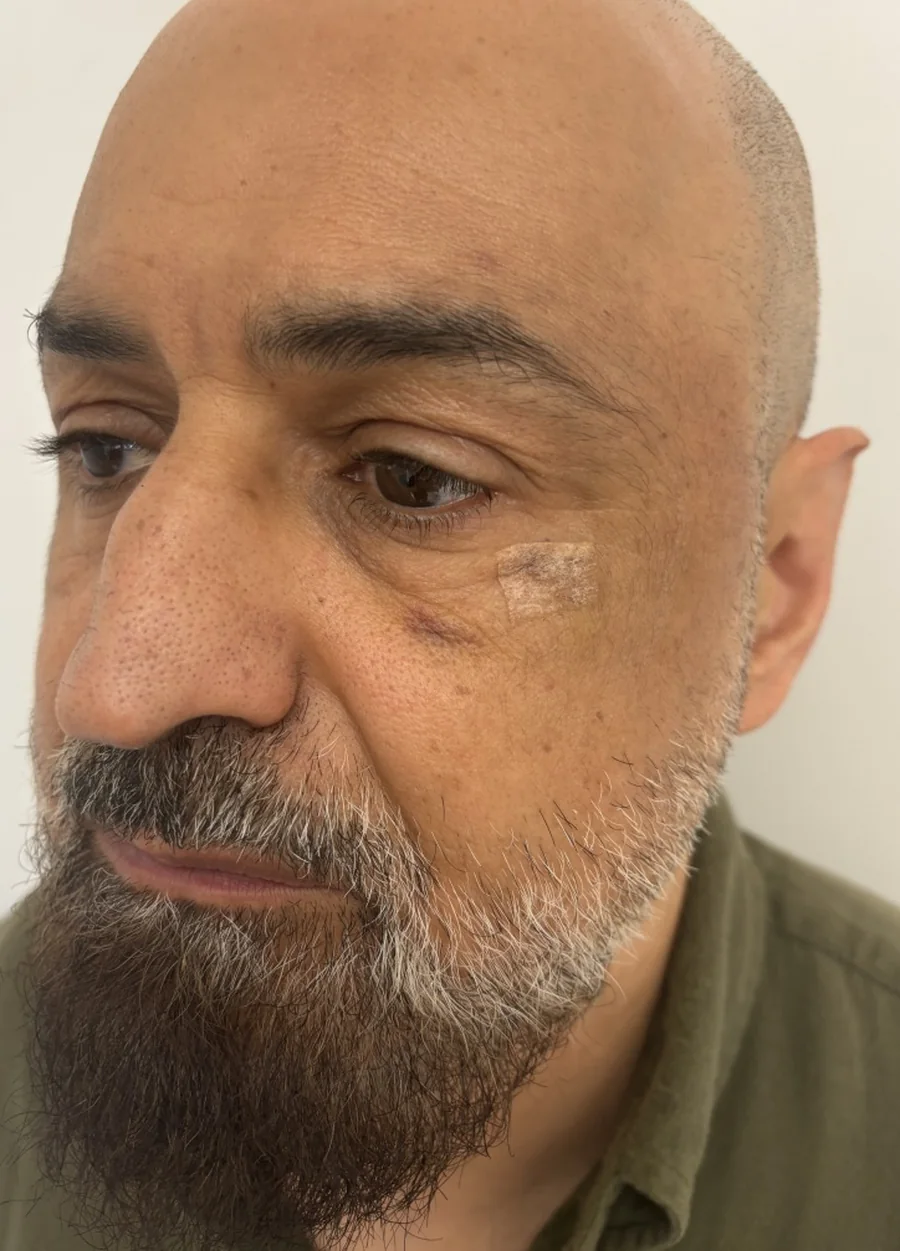
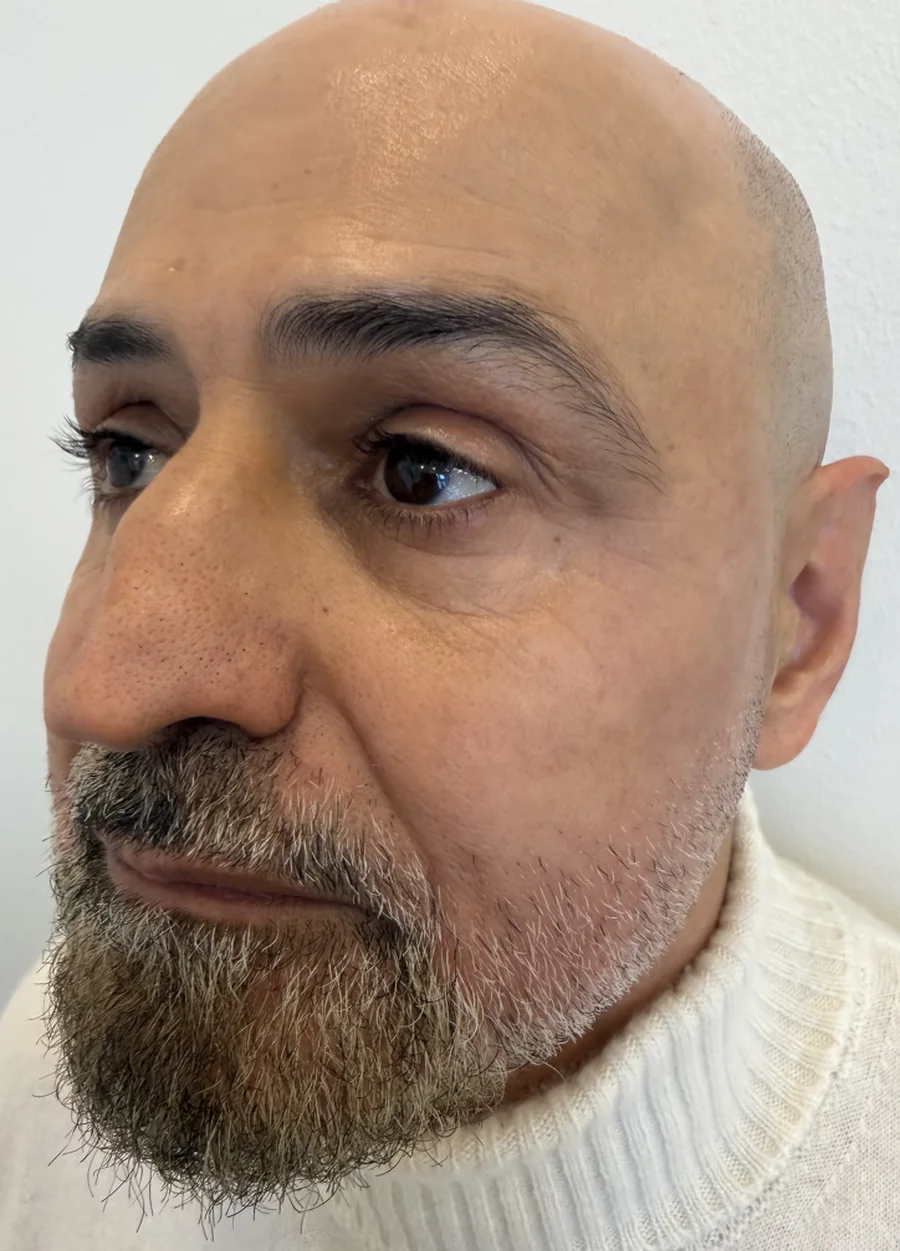
The treatment layer
Treatments within a Skin Longevity plan
A plan is built from these, usually two or three of them in sequence rather than all of them. Which ones, and in what order, is the consultation.
Fractional CO2 laser
Resurfacing, collagen remodelling and the most substantial texture change available here — in exchange for the longest recovery of anything on this page.
RF microneedling
Radiofrequency delivered into the dermis at a chosen depth. Dermal remodelling, firmness and texture with the surface largely left intact, and a markedly lower pigmentary risk than resurfacing.
Collagen biostimulators
Poly-L-lactic acid and diluted calcium hydroxylapatite, for gradual structural improvement built from your own collagen over three to six months. Not reversible, so given conservatively.
Polynucleotides
Purified marine DNA fragments for hydration, dermal quality and repair. The treatment of choice in skin that is thin, reactive or recovering from something more demanding.
Profhilo® and skin boosters
Hyaluronic acid stabilised without a crosslinker, so it spreads rather than holds shape. Hydration, surface texture and a modest change in firmness.
Vascular laser
Pulsed dye laser for redness, visible vessels and the vascular component of an active scar. The one lever on this page that creams and tablets address poorly.
Medical peels
Prescribed by depth rather than bought by name. Pigment, texture and epidermal renewal, from a superficial course with no downtime to a medium-depth peel with a week of it.
Pigmentation and melasma
Diagnosis before device. Sun damage, post-inflammatory pigment and melasma look similar and respond in opposite directions — and melasma is the one lasers most often make worse.
Treatments are listed here so you can see what a plan is actually built from. They do not define the structure of this practice, and nothing on this list is offered to everyone — most patients need two or three of them.
What this is not
Longevity is not a treatment you buy once
Skin is an organ with a turnover measured in weeks and a structural protein with a half-life measured in years. Nothing done in a single afternoon changes the second number. What changes it is a sequence, spaced over months, chosen for the skin in front of us and reviewed against photographs taken in the same light.
That is slower than most clinics promise. It is also the only version of this that holds.
Questions
Good to know
If your question is not here, ask it in the enquiry form — Dr. Henningsen answers these personally.
Ask a question- How is this different from ordinary anti-ageing treatment?
- When should someone start?
Earlier than most people do, and later than the industry suggests. Collagen loss begins in the mid twenties but is not clinically visible for another decade. There is no benefit in treating skin that is still producing well, and a real cost in treating it badly.
- How long before anything is visible?
Six to twelve weeks for most biostimulating treatments, because you are waiting for collagen to be made rather than for a product to settle. Anything that looks different the next morning is swelling, not result.
- Does it need to be maintained?
Yes, and that is the honest part. The stimulus wears off. Maintenance is individual: for many patients it eventually means one or two planned treatment periods a year rather than continuous treatment, and that is substantially less than the initial sequence. It is not a subscription, and we will not sell it as one.
- Can this be combined with scar revision?
Often, and deliberately. Several patients are treated for both in the same session, because the devices overlap and because skin that is structurally better also heals scars better.
Where to read on
Related pages
Consultation
Ready to talk about your skin?
Consultations with Dr. Henningsen are arranged individually. Tell us what you would like to change and we will come back to you with the options, the honest downtime and the realistic result.