It is longer rather than sharper. The anaesthetic covers the procedures themselves; what patients notice is that they are in the chair for two hours rather than twenty minutes. Most describe the subcision as pressure and the resurfacing as heat.
Overview
Three procedures, one appointment, one plan
Most scarring is not one problem. A typical cheek carries rolling scars, a handful of ice-pick scars, some boxcar scarring and a background of redness — four things, four instruments. Combining them in a single session is standard here, and the order they are done in is not arbitrary.
The argument for combining is partly practical: for a patient who has flown in, having one of four procedures is a wasted trip. But the real argument is clinical. Several of these techniques work better when another has been done first, and some of them cannot safely follow each other at all.
This page is about that sequencing. What each method does to the tissue, which ones cooperate, which ones must be separated by months, and how a combined session is actually built.
At a glance
- Treatment time60–180 minutes
- AnaestheticLocal, sometimes with sedation
- DowntimeSet by the longest method in the combination
- SessionsThree to eight, three months apart
- ResultsAssessed three months after each session
- Combines withThis page is the combination

The order
Architecture first, surface last
1. Release. Subcision comes first. A rolling scar is held down by a fibrous tether; until that is cut, everything above it is being judged in the wrong position. Treating the surface first means treating a shape that is about to change.
2. Rebuild the deepest defects. TCA CROSS is applied to individual ice-pick scars, one at a time, provoking collagen from the base of each. It is precise, slow and unaffected by what happens afterwards at the surface.
3. Resurface. Fractional CO2 or RF microneedling is applied across the field to even out the remaining texture. This goes last because it is the step that closes the skin, and nothing should be cut or etched after it.
Separately. Vascular laser for the background redness is usually given at a different visit. Two heat-based treatments in one session on the same skin is where complications come from.
Combinations
What pairs, and what does not
- Subcision with TCA CROSS — routine, and the backbone of most sessions
- Subcision with fractional CO2 — routine, release then resurface
- TCA CROSS with RF microneedling — routine, different depths, different targets
- Fractional CO2 with RF microneedling — not in the same session; both are thermal
- Vascular laser with any ablative treatment — separated by weeks
- Biostimulation with scar revision — yes, and it improves healing
In the clinic
How a combined session runs
Anaesthetic
Topical first, then local infiltration of the areas being released. This takes longer than the procedures and is what makes them tolerable.
Release and rebuild
Subcision across the tethered areas, then TCA CROSS applied scar by scar. This is the slow part and the part that decides the result.
Resurface
The energy device is passed across the field at settings chosen for your skin type and for how much recovery you can take.
Close
Dressing, written aftercare, and a date for the next stage roughly three months out.
Documented results
Before & after
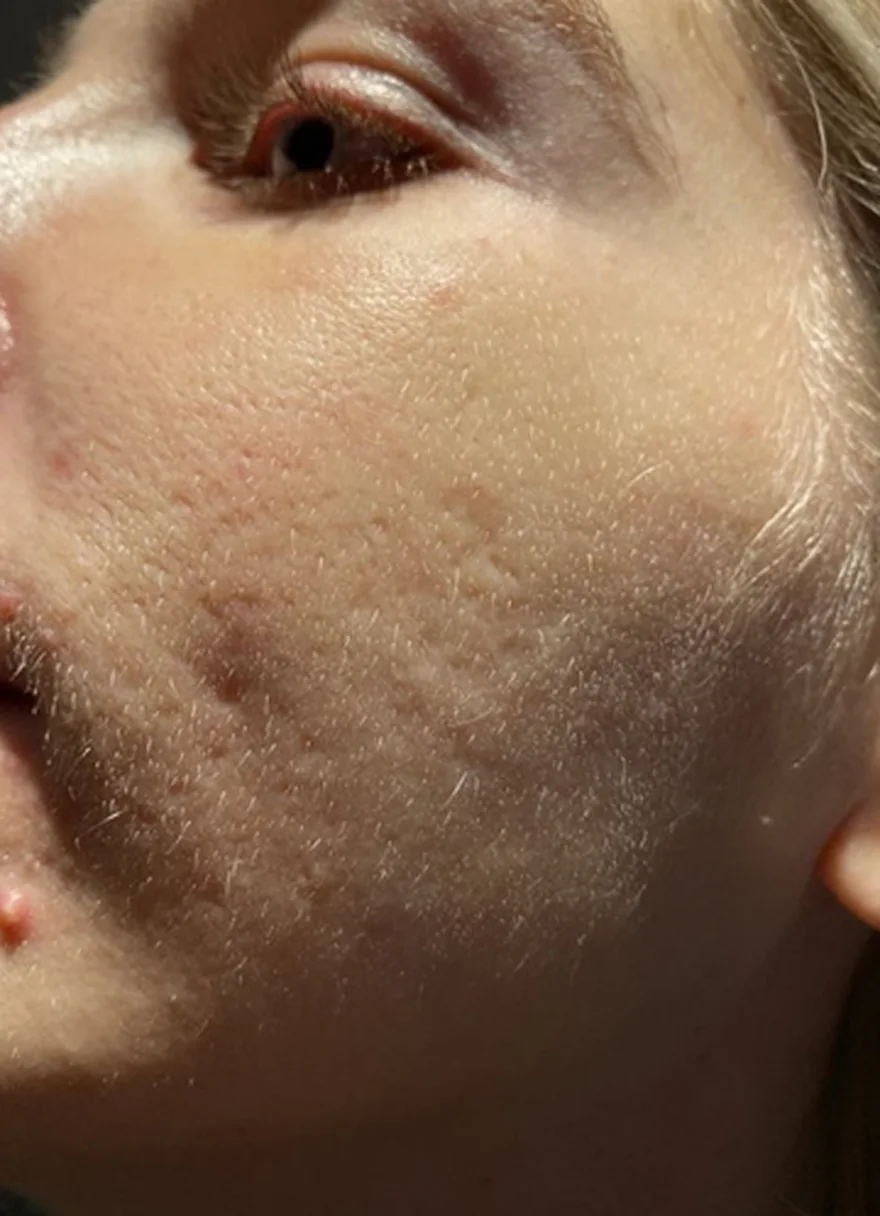
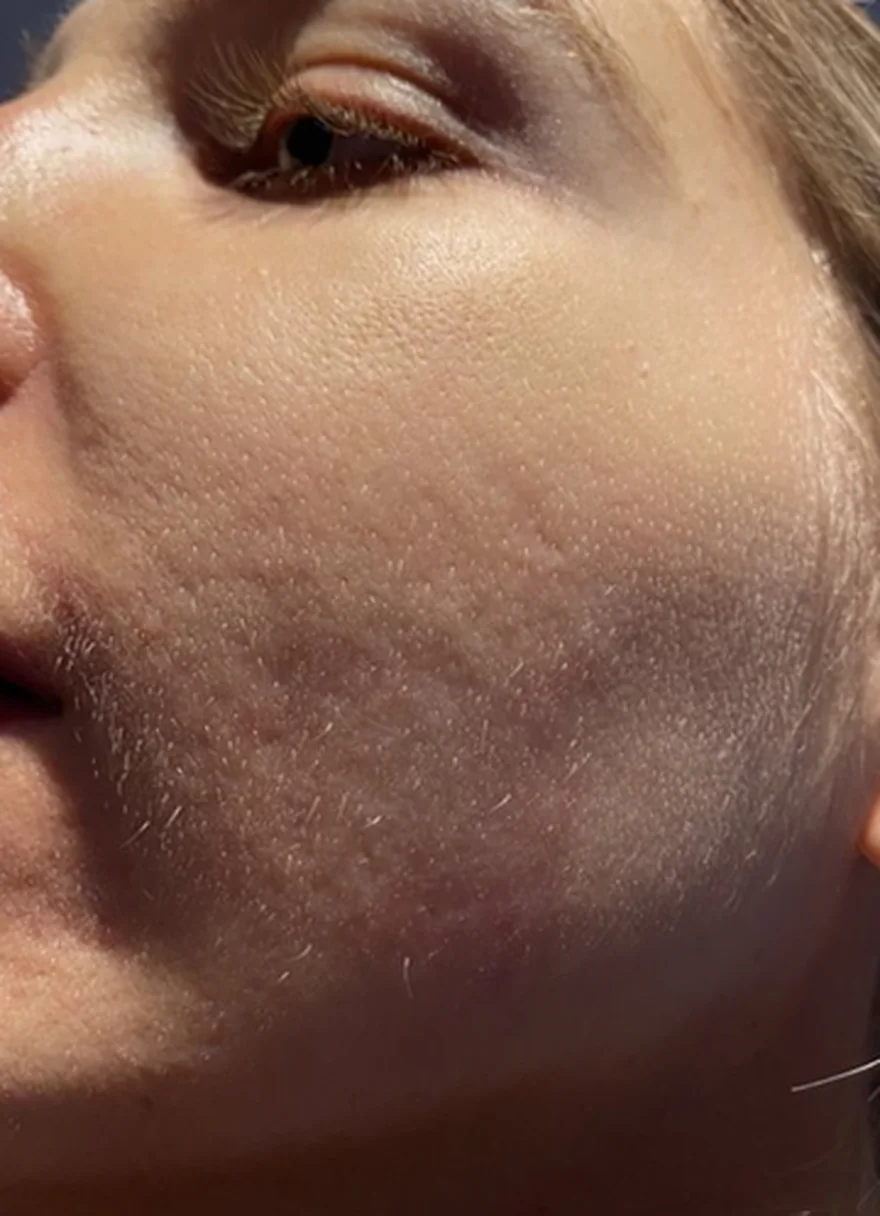
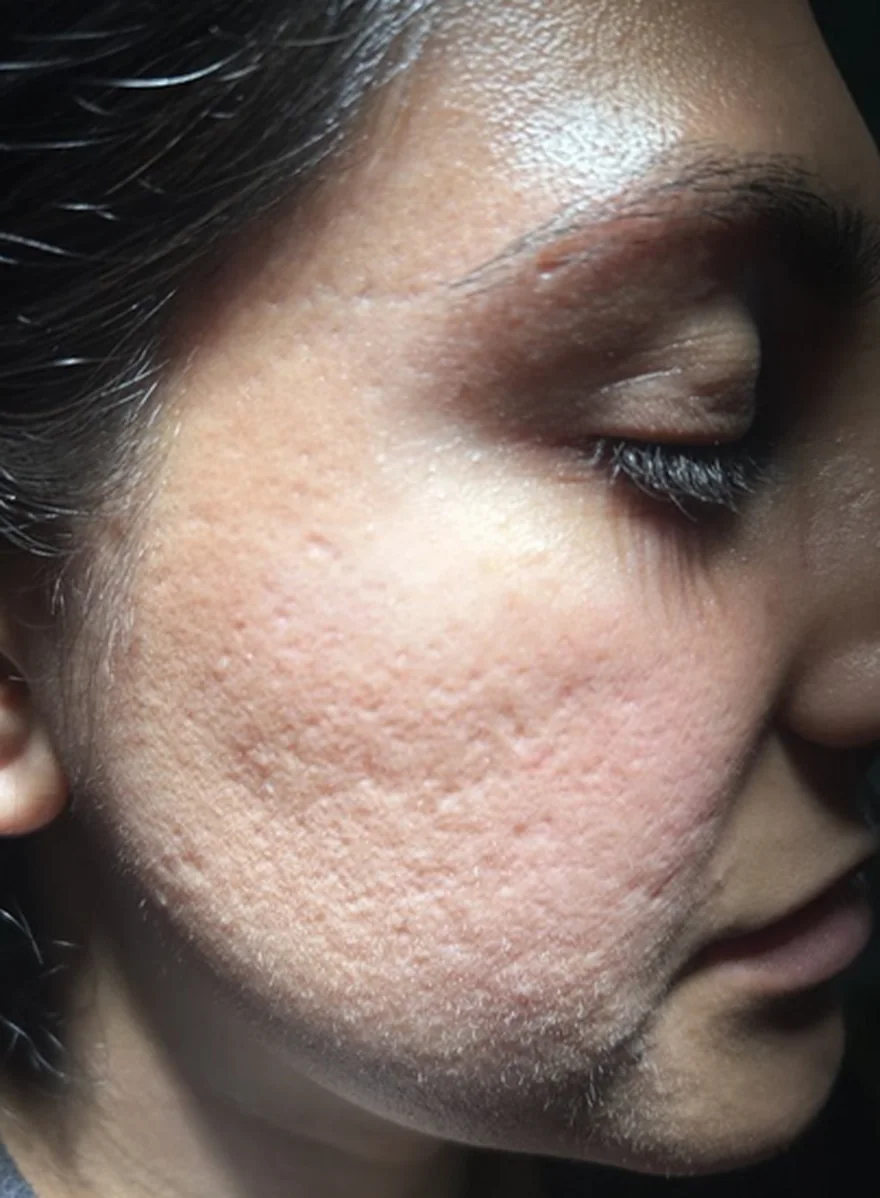
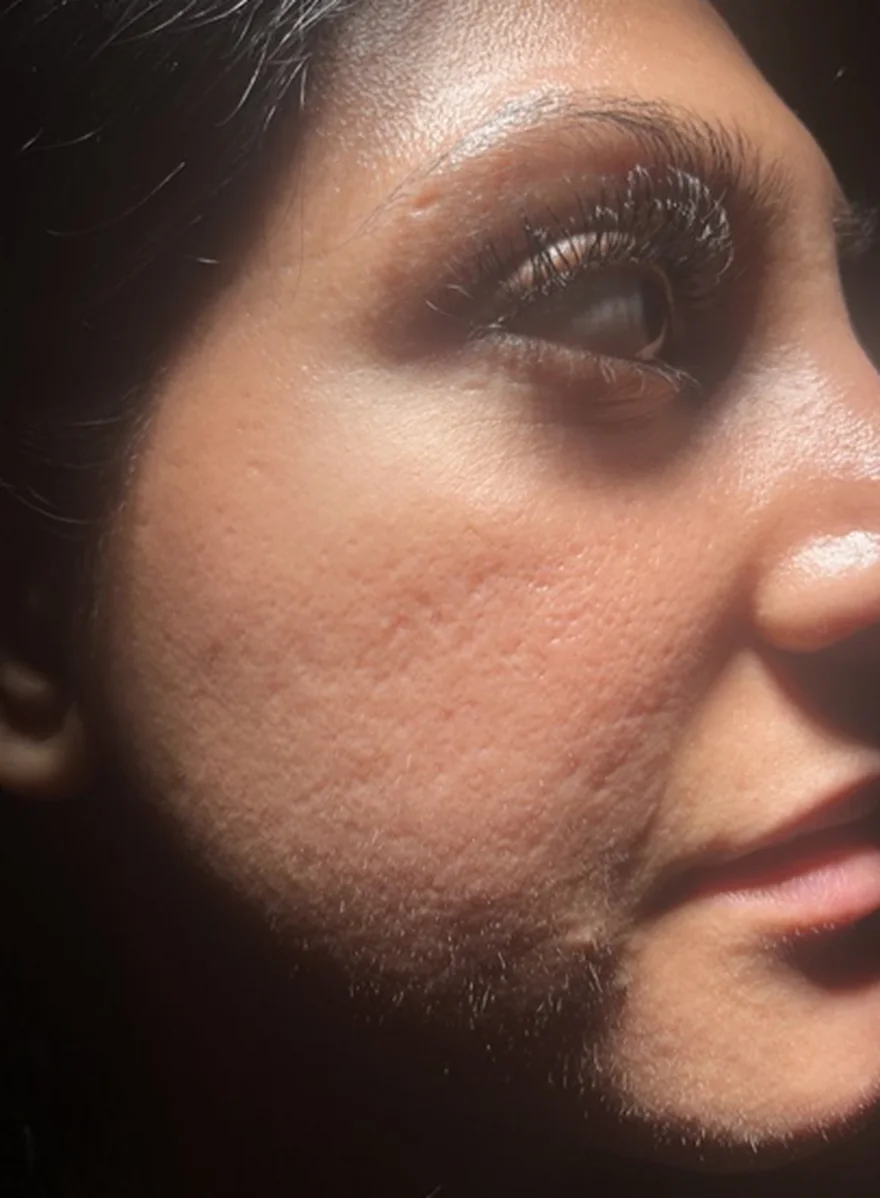
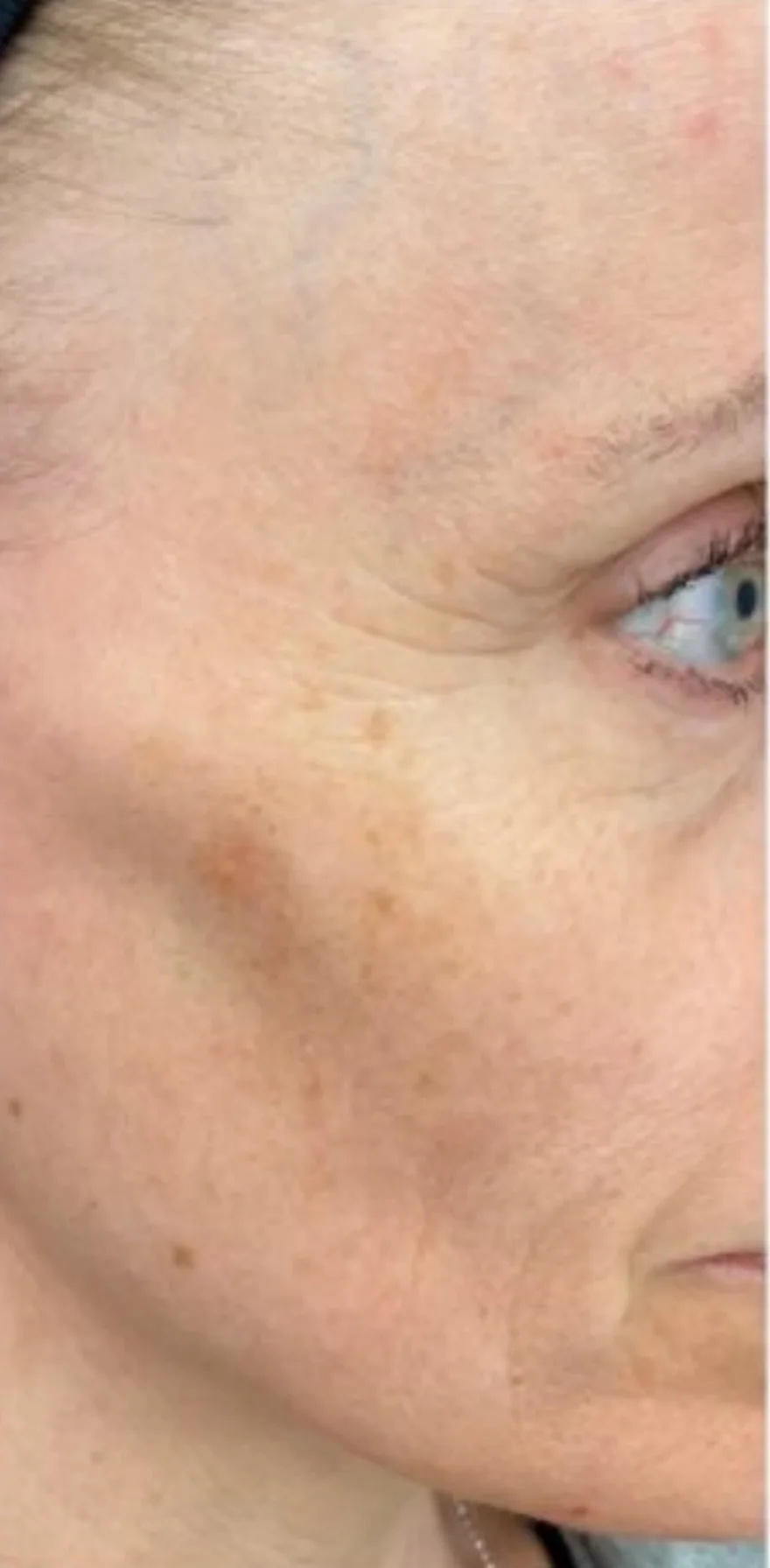
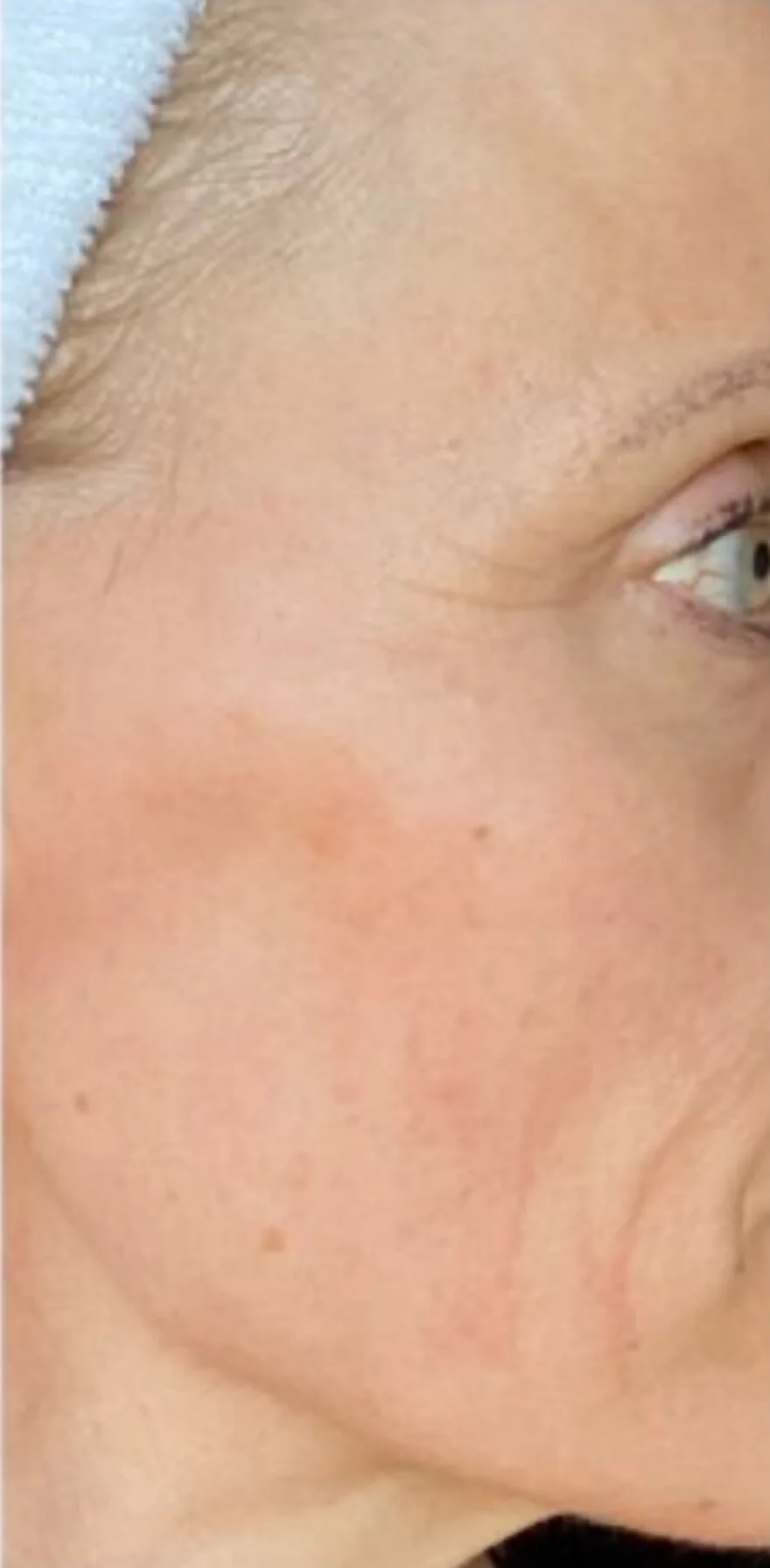
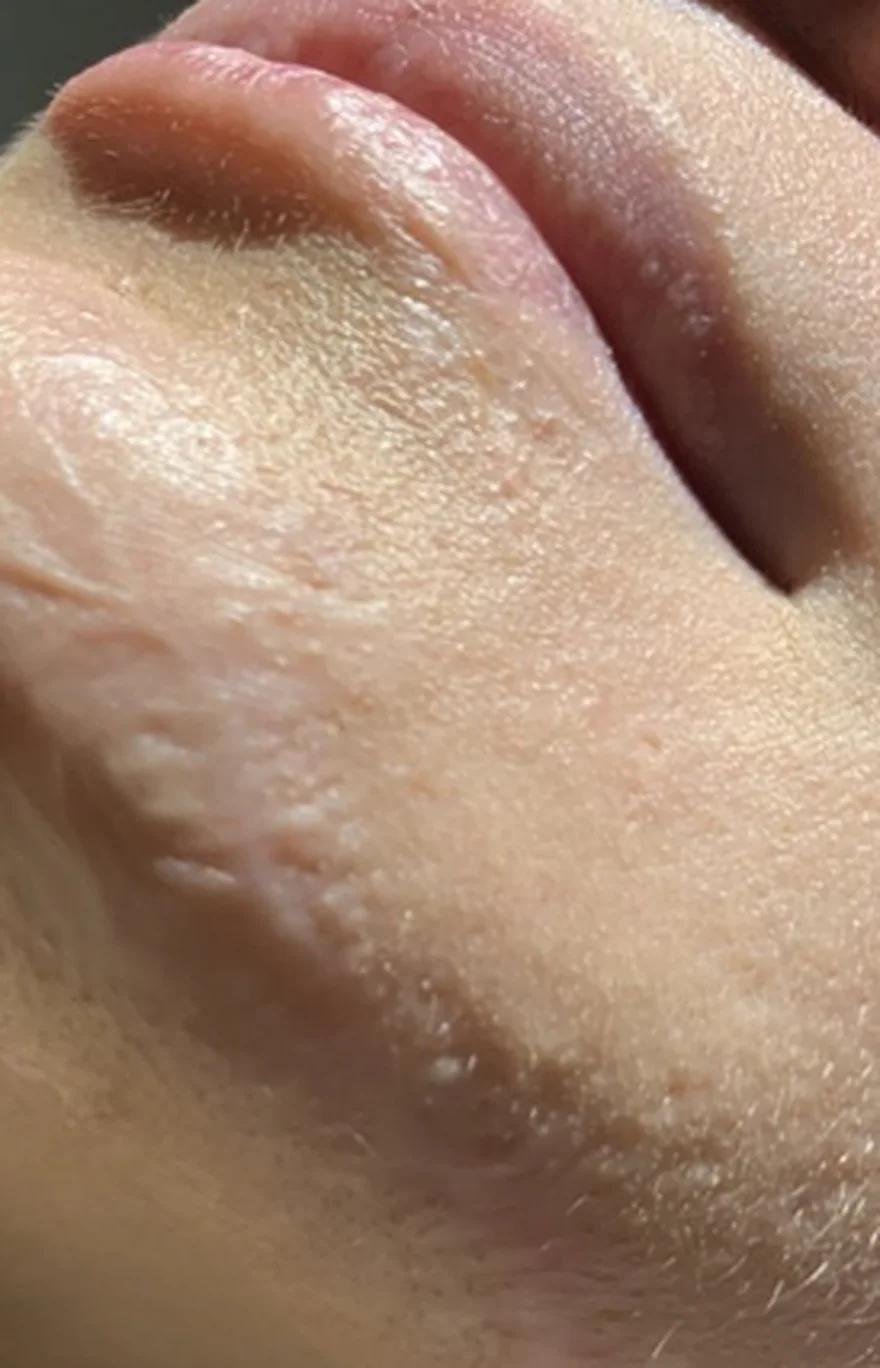
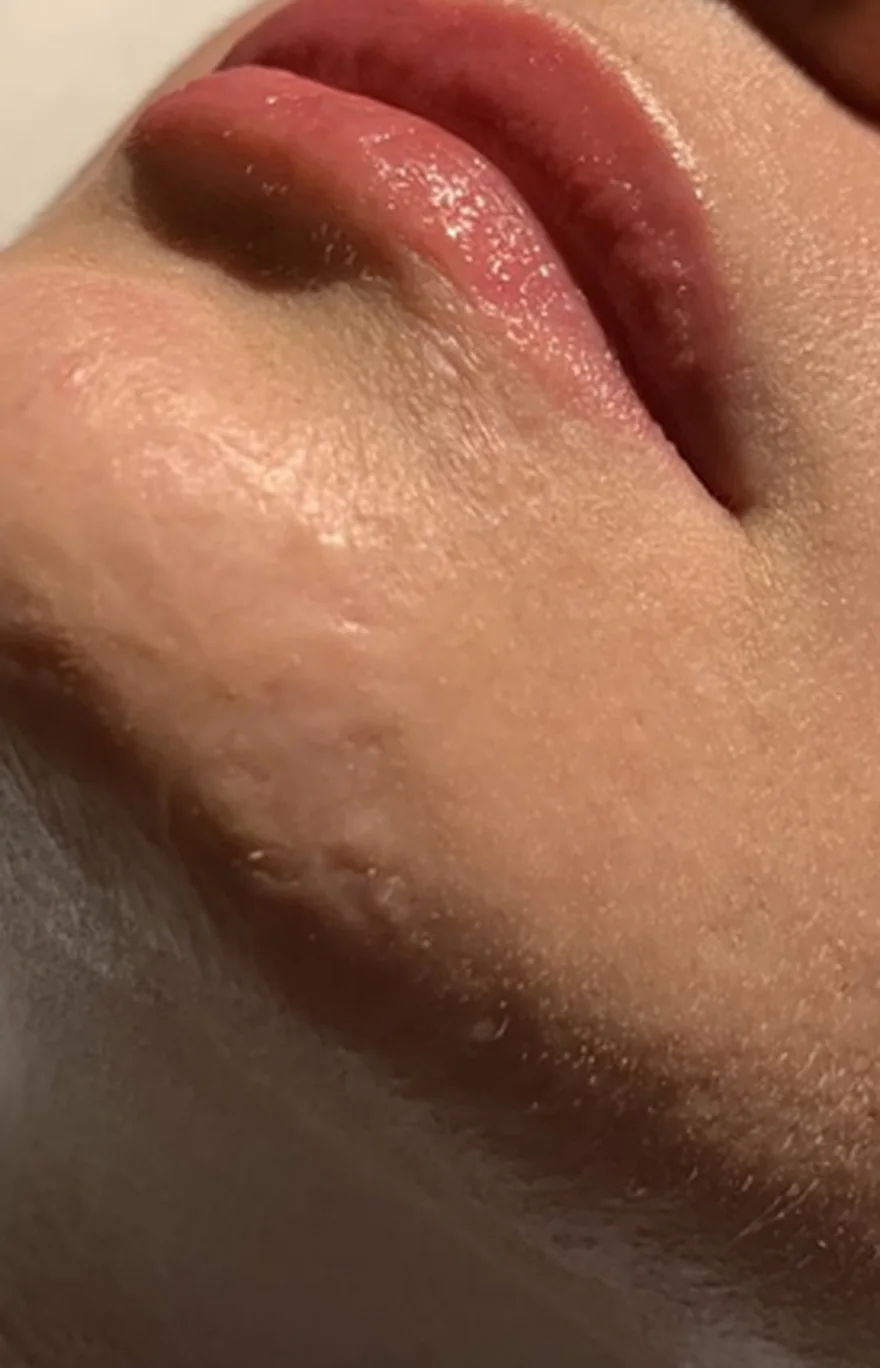
These are combined-session results. Drag the handle across each photograph; all images are unretouched and published with written patient consent.
Questions
Good to know
If your question is not here, ask it in the enquiry form — Dr. Henningsen answers these personally.
Ask a question- Is a combined session more painful?
- Is more downtime the price of combining?
The downtime is set by the most aggressive method in the combination, not by the sum of them. Subcision and TCA CROSS added to a CO2 session change the recovery very little — which is exactly why they are combined.
- Why can't fractional CO2 and RF microneedling be done together?
Both deposit heat in the dermis. Together they can push past the point where healing is orderly, and the risk of prolonged redness or a hypertrophic response rises sharply. They are alternated between sessions instead.
- How far apart should combined sessions be?
About three months. That is how long collagen takes to remodel, and treating before the previous session has finished working means judging — and treating — the wrong skin.
- Can I have this on a single trip?
One session, yes. A course, no. Most international patients plan two to four trips over two to three years, and the sequence is designed around that.
Consultation
Ready to talk about your skin?
Consultations with Dr. Henningsen are arranged individually. Tell us what you would like to change and we will come back to you with the options, the honest downtime and the realistic result.