No. Fillers occupy space to change shape. These add no meaningful volume and are distributed through the skin rather than placed under it. If a clinic uses the words interchangeably, that tells you something.
Overview
A biological stimulus, not a thermal one
Energy devices provoke repair by injuring tissue in a controlled way. Regenerative treatments do it by handing the tissue the signal directly — and that difference matters most in skin that cannot afford much recovery.
Everything in the longevity section is trying to reach the same endpoint: a fibroblast that starts producing collagen again. Lasers and radiofrequency get there through heat and healing. Regenerative treatments get there through chemistry.
In practice that means a class of injectables that are not fillers and do not behave like them. They add no volume and they are not placed to change shape. They are distributed through the dermis to change how it behaves over the following months.
Their advantage is that they are repeatable with almost no downtime, and that they work on skin where heat would be unwise — thin skin, darker skin, eyelids, necks and décolletages, and skin already scheduled for a laser it needs to recover from.
At a glance
- Treatment time20–40 minutes
- AnaestheticTopical
- DowntimeNone to two days
- SessionsTwo to four, two to four weeks apart
- ResultsFrom six weeks, peaking at three months
- Combines withEnergy devices and scar revision
How it works
What is in this class, and what each one does
Polynucleotides. Purified DNA fragments that act as a signalling molecule rather than a structural one. They improve the quality of the tissue — hydration, elasticity, inflammatory tone — which is why they are used to prepare skin before harder treatment as often as after it.
Stabilised hyaluronic acid for bioremodelling. Profhilo and its class spread through the plane rather than sitting where they are placed. The hydration is the visible part; the fibroblast stimulation is the part that lasts.
Collagen biostimulators. Poly-L-lactic acid and calcium hydroxylapatite provoke a slow, deliberate collagen response over months. This is the closest thing in the class to a structural result, and the slowest to appear.
They are frequently sequenced rather than chosen: polynucleotides to improve the terrain, then a biostimulator to build on it.
Indications
Where this is the right choice
- Thin, crepey skin under the eyes and on the neck
- Skin that needs improvement but cannot take visible downtime
- Darker skin types where thermal treatment carries a pigment risk
- Preparation of the skin before scar revision or resurfacing
- Recovery support after an energy-based treatment
- Patients who want structural change without anything being filled
In the clinic
Step by step
Assessment
What the skin is short of decides which molecule is used. This is not a menu choice.
First course
Two to four sessions, two to four weeks apart, depending on the product.
Build
The visible change arrives between six weeks and three months. Nothing useful is judged before that.
Maintenance
Typically once or twice a year. Regenerative work is the easiest part of a longevity plan to keep up, which is most of why it holds.
Documented results
Before & after
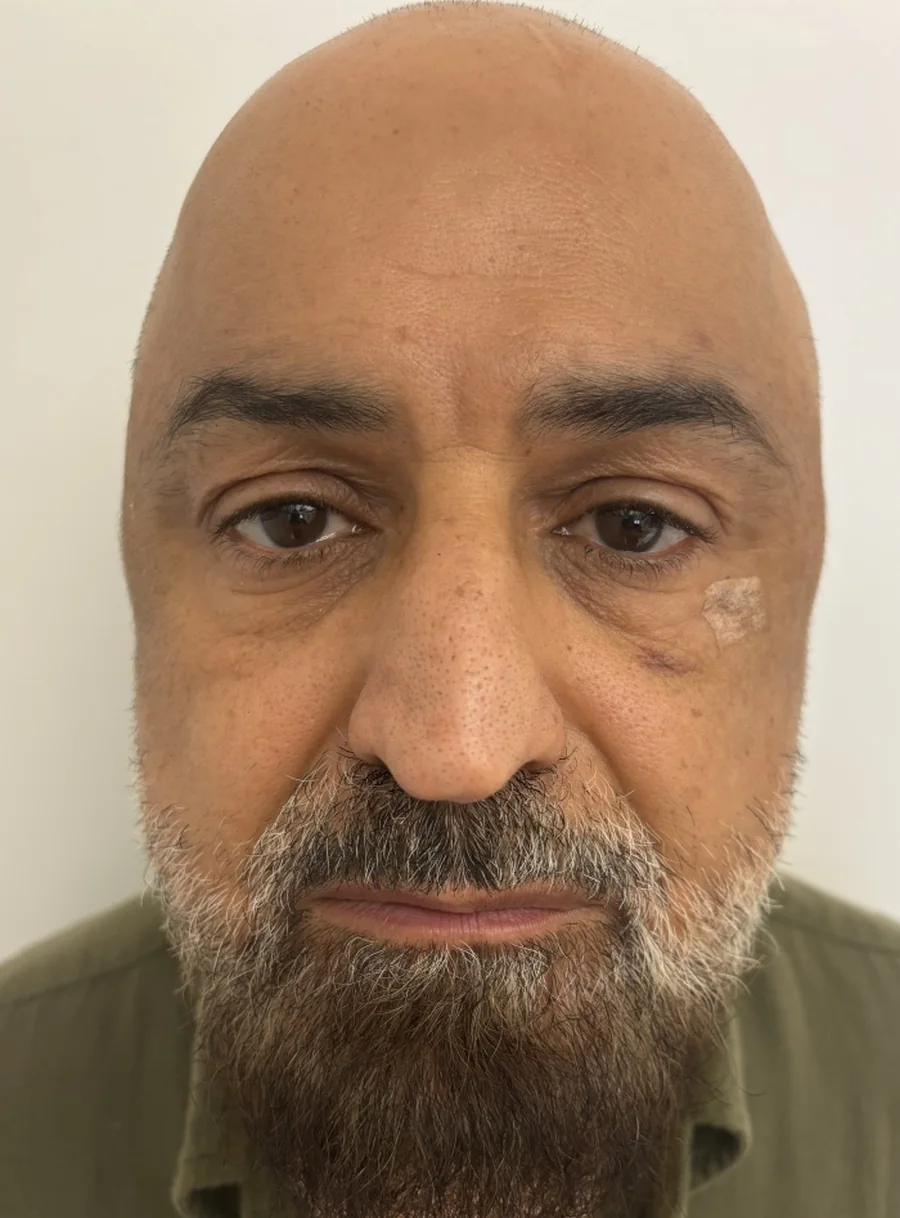
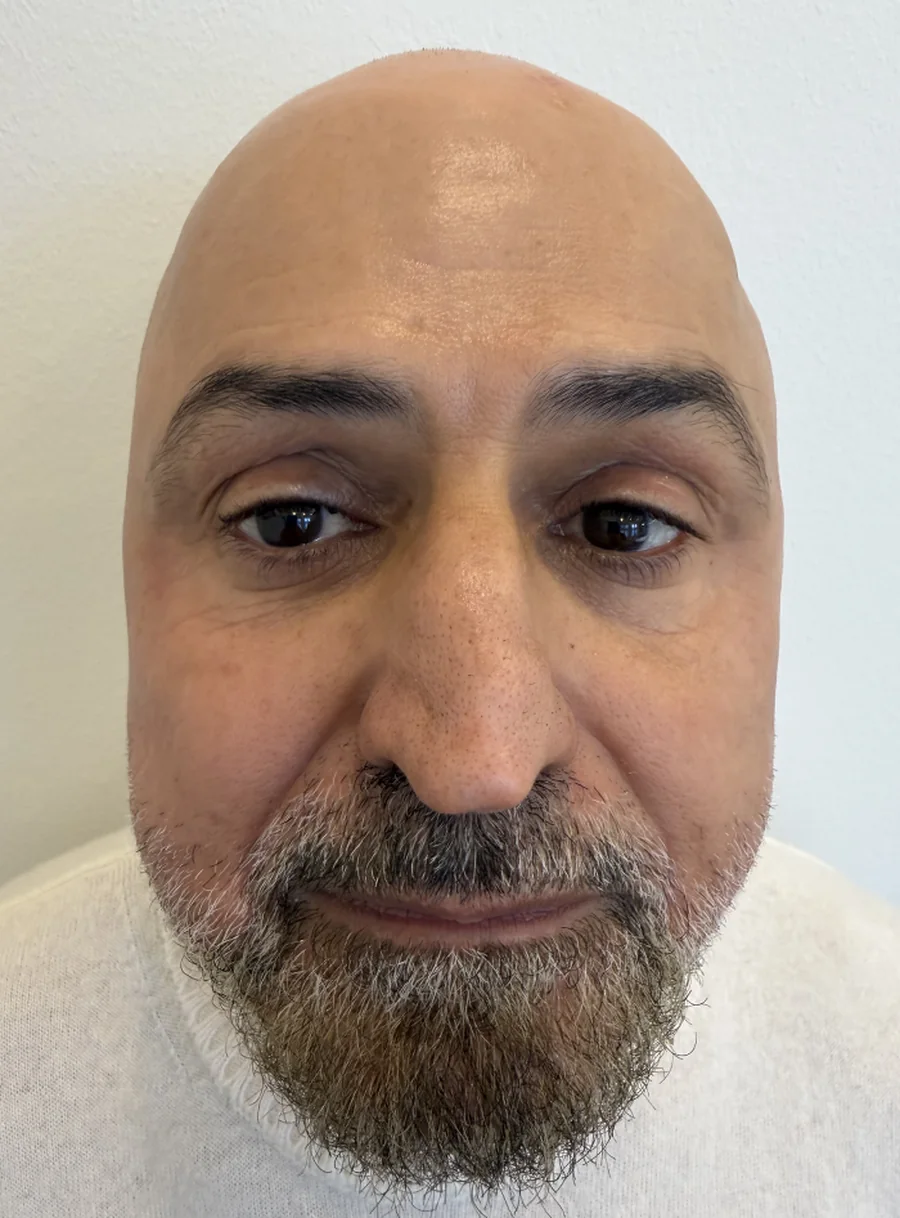
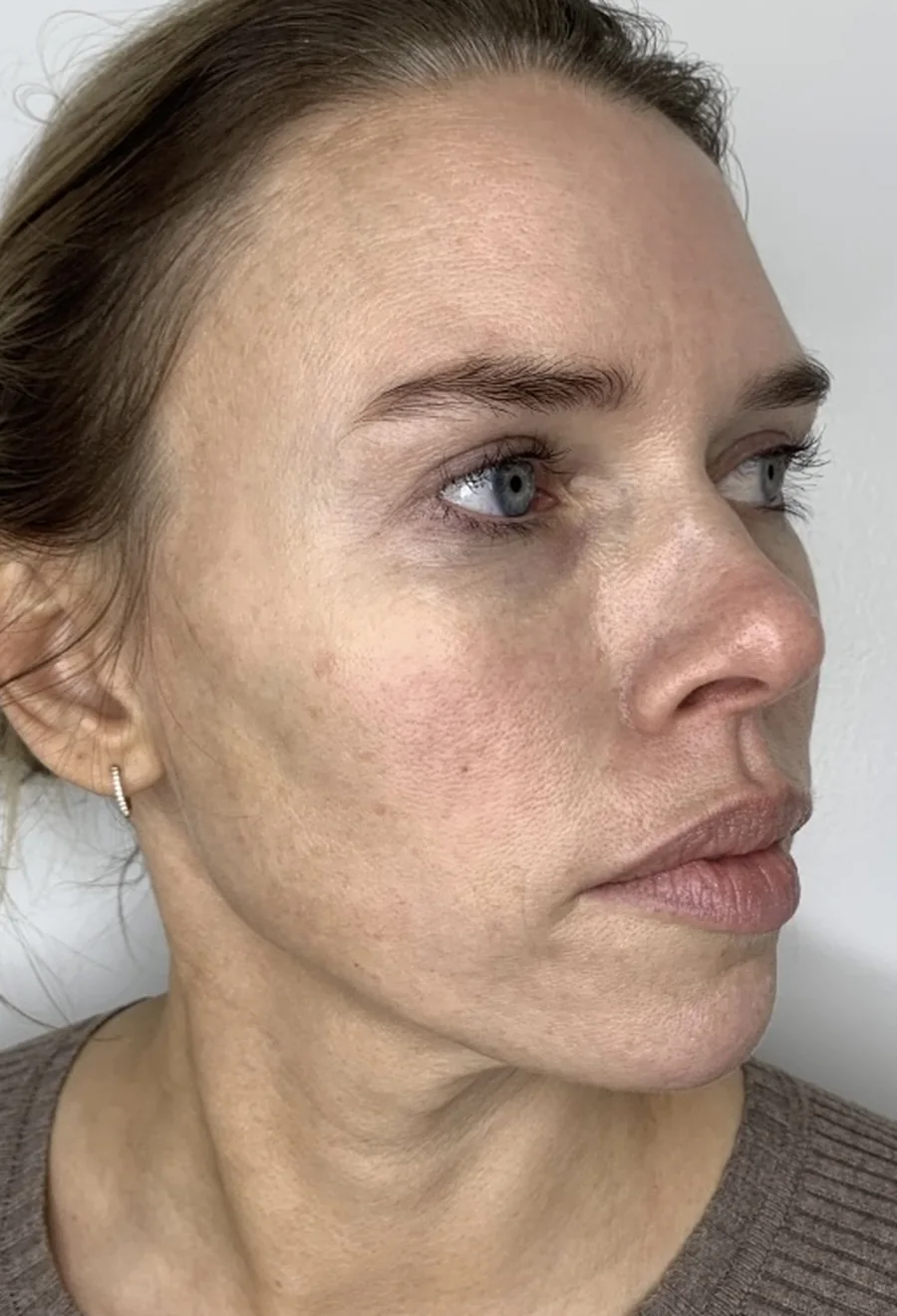
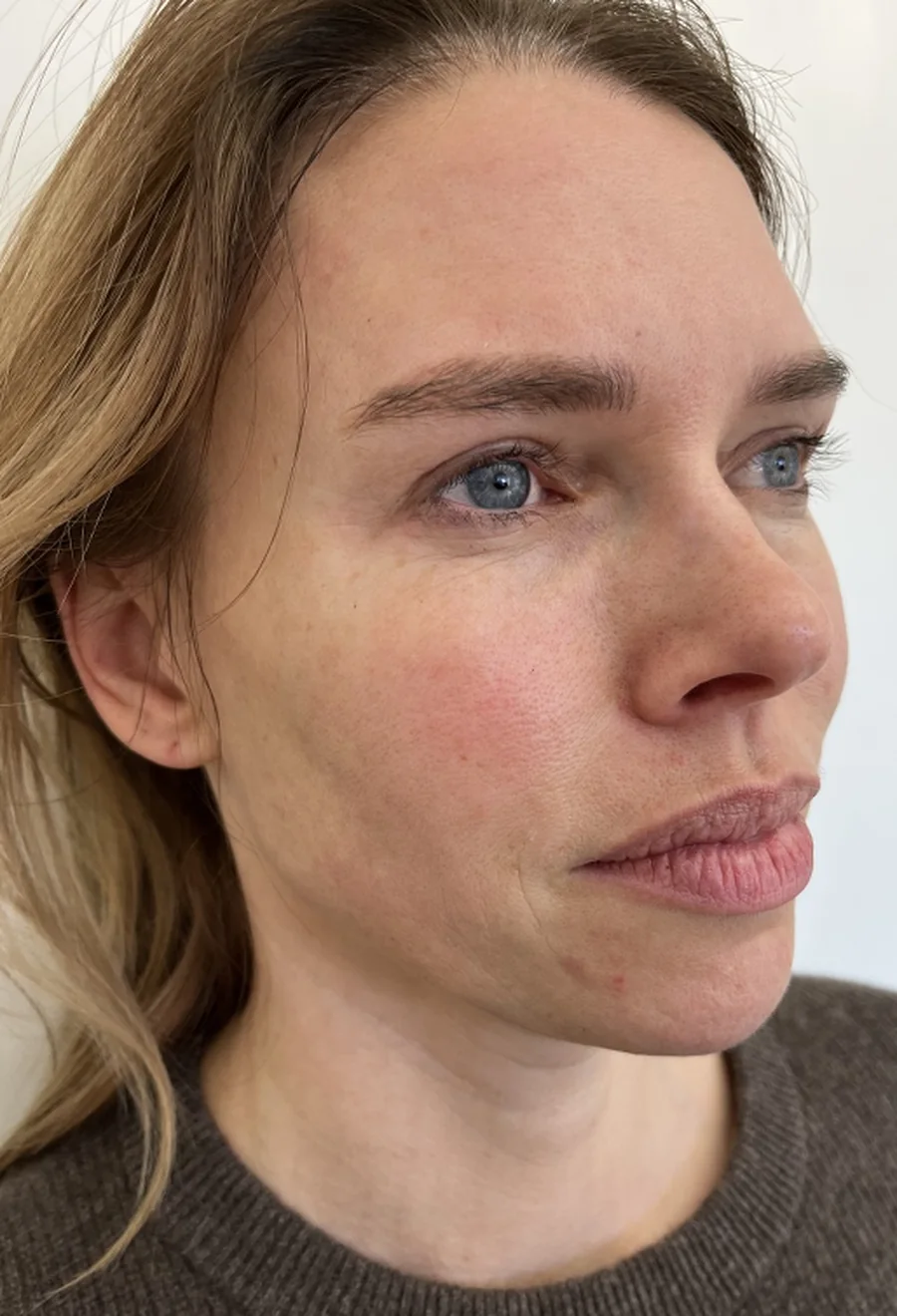
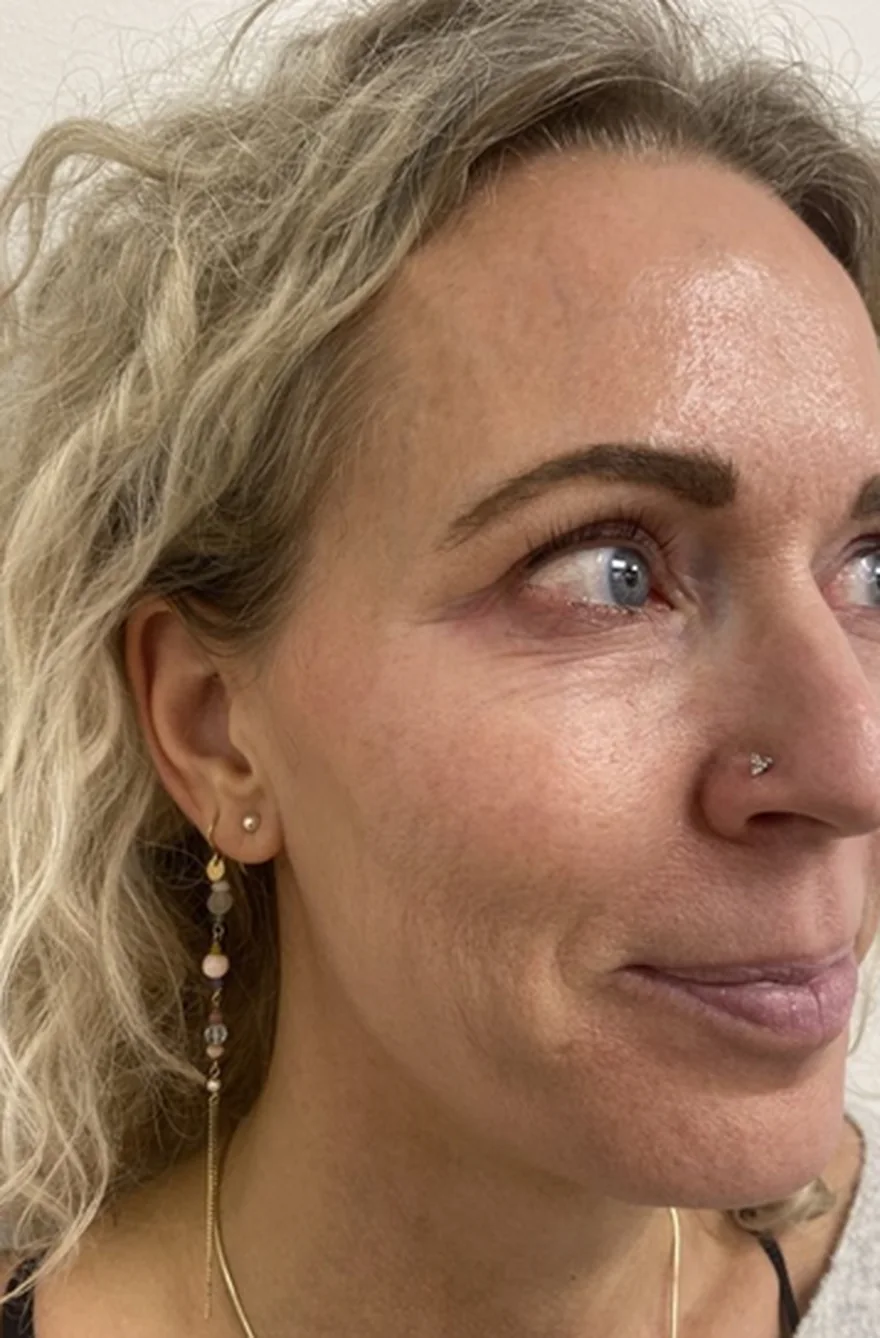
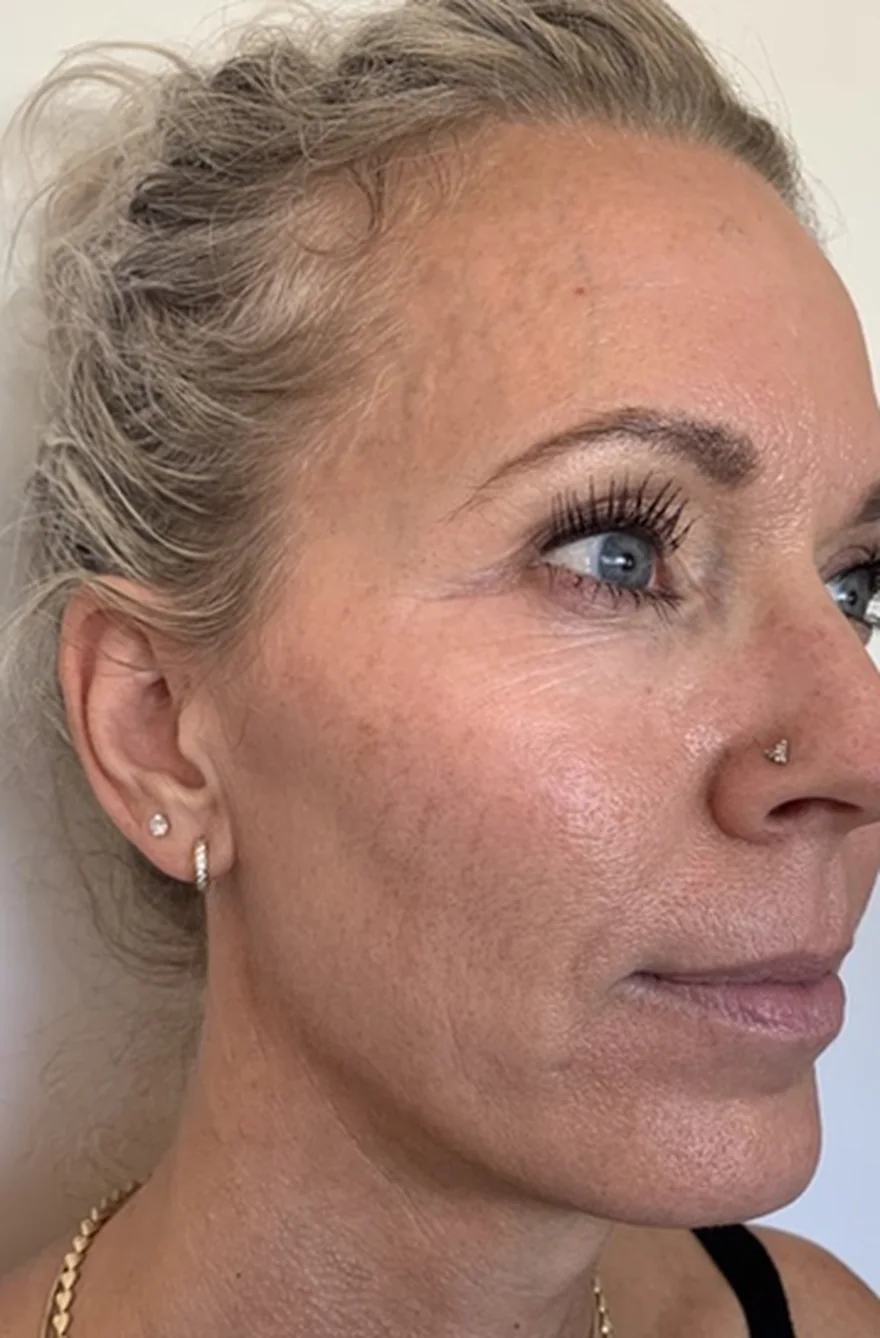
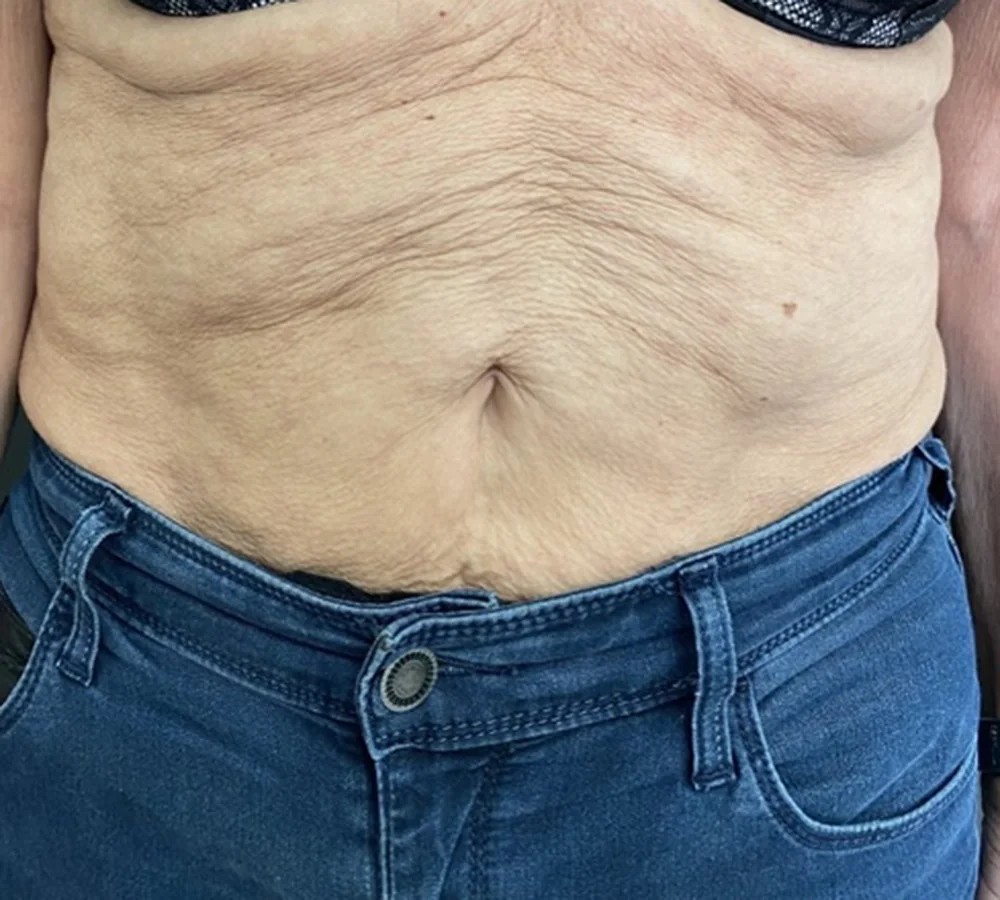
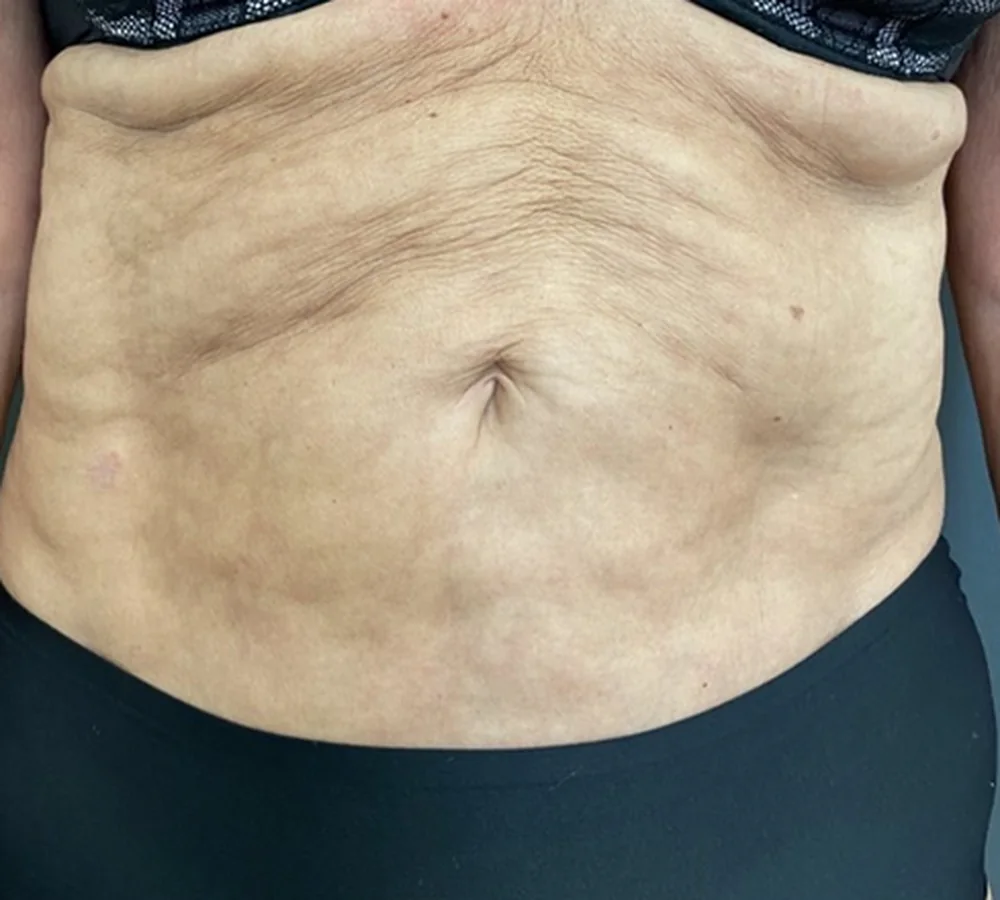
Drag the handle across each photograph to reveal the result. All images are unretouched and published with written patient consent.
Questions
Good to know
If your question is not here, ask it in the enquiry form — Dr. Henningsen answers these personally.
Ask a question- Is this filler?
- How soon will I see anything?
Hydration and light reflection change within two weeks for the hyaluronic acid class. Everything else is a collagen result and takes six weeks to three months. Nothing visible on day one is a good sign, not a bad one.
- Can these be used around the eyes?
Yes, and it is one of the places they earn their keep. The skin there is too thin for aggressive energy in many patients, and polynucleotides in particular are well tolerated.
- Do they work as well as a laser?
For deep structural change, no — a fractional laser remodels more. For skin quality, tolerability and repeatability, they often do better, and they can be given to patients who should not have the laser at all. The plan usually contains both.
Consultation
Ready to talk about your skin?
Consultations with Dr. Henningsen are arranged individually. Tell us what you would like to change and we will come back to you with the options, the honest downtime and the realistic result.